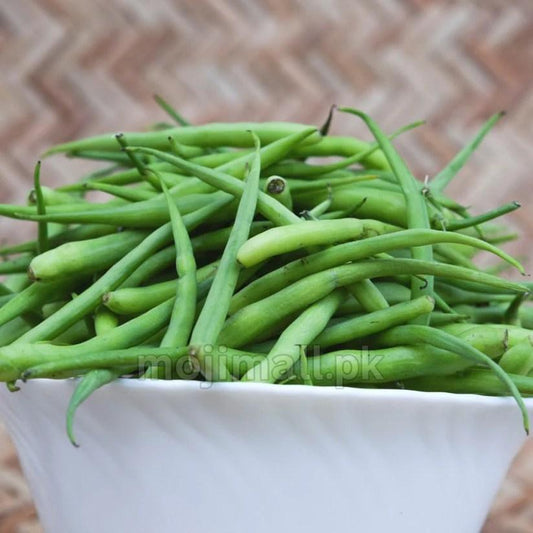
Desi seeds (دیسی بیج) are traditional vegetable varieties valued for their familiar taste, Pakistani cooking uses and long history in home gardens. This collection includes desi vegetable seeds for summer and winter planting, with choices for pots, grow bags, raised beds and kitchen gardens.
Some desi varieties are long-kept heirloom types, while others are familiar open-pollinated varieties selected over many seasons. Their flavours, shapes and cooking qualities make them a valued part of home gardening across Pakistan.
Desi Varieties
Desi varieties reflect Pakistan’s gardening and food traditions. They include summer vegetables used in everyday salan, climbing gourds for trellises, leafy saag for winter meals and familiar roots such as Mooli, Gajar and Shaljam.
Home gardeners often choose Desi Tamatar, Mirch, Baingan, Kheera and gourds for the taste and texture associated with traditional home cooking. Leafy vegetables and roots provide further choices for cooler weather.
Seeds may be collected from suitable open-pollinated varieties after the vegetables or seed pods mature fully. Check the individual product information and keep different varieties labelled carefully when saving seeds for another season.
Choose Seeds
| Garden Plan |
Suitable Choices |
Growing Position |
| Leafy picking |
Dhania, Methi, Palak, Kulfa and Sarson |
Pots, troughs and beds |
| Summer vegetables |
Bhindi, Tinda, Mirch, Tamatar and Baingan |
Large pots, grow bags and beds |
| Climbing vegetables |
Lauki, Karela, Pasli Tauri, Kakri and Kheera |
Large containers or beds with support |
| Spreading vines |
Kaddu, Pumpkin, Tarbooz and Garma |
Open ground or very large containers |
| Winter roots |
Mooli, Gajar, Shaljam and Beetroot |
Deep pots, raised beds and loose soil |
| Winter vegetables |
Phool Gobhi, Band Gobhi, Piaz and Peas |
Beds and roomy containers |
| Edible pods |
Moongra |
Cool-season garden beds |
Leafy vegetables and compact roots fit naturally into smaller home gardens. Gourds, pumpkins and watermelons need more room for their vines and developing vegetables.
Summer Vegetables
Bhindi or Okra (بھنڈی) grows upright and fits well into sunny kitchen gardens. Pick the pods while they are young and tender because mature pods quickly become firm and fibrous.
Tinda (ٹنڈا) produces round green vegetables on spreading stems. Give the plant room to extend across a bed or guide it around the edge of a large container.
Desi Tamatar, Mirch and Baingan provide traditional tomato, chilli and brinjal varieties for everyday cooking. Start them in trays, then move one established seedling into each final pot or planting position.
Tomatoes benefit from a stake or cage before their branches become heavy. Chillies remain fairly compact, while brinjals develop broad leaves and need steady moisture during flowering and vegetable formation.
Gourds
Lauki or Bottle Gourd (لوکی), Karela or Bitter Gourd (کریلا) and Pasli Tauri or Ridge Gourd (پسلی توری) are vigorous warm-season vines. A firm trellis keeps their stems and vegetables above wet soil and makes picking easier.
Kakri and Kheera provide familiar cucumber types for salads, raita and fresh kitchen use. Their vines can spread across the ground or climb netting when the developing vegetables have sufficient support.
Install the trellis before sowing or while the plants are still small. Mature vines can become heavy after rain, so supports in rooftop gardens should be secured firmly.
Regular picking encourages gourds and cucumbers to continue forming flowers. Leave selected vegetables on the vine until fully mature only when keeping them for seed.
Melons
Round Gourd and Pumpkin develop long stems with broad leaves. They perform best in open beds where their vines can spread without covering smaller vegetables.
Desi Tarbooz or Watermelon (تربوز) and Garma are warm-season melons that need direct sunlight, room for their vines and access to pollinating insects.
Place developing melons on a tile, board or dry layer of straw to keep them away from constantly wet soil. Maintain steady moisture while the vines are growing and the fruits are enlarging.
Guide the stems into an open area where the leaves and developing fruits will not be repeatedly stepped on or disturbed.
Saag and Herbs
Desi Dhania or Coriander (دھنیا) can be grown for fresh leaves or allowed to mature for dry coriander seed. Sow small batches every few weeks during suitable weather to extend the picking period.
Methi (میتھی), Palak (پالک), Kulfa Saag (کلفہ ساگ) and Sarson Saag (سرسوں کا ساگ) grow well in pots, troughs and garden beds. Their leaves can be collected gradually after the plants become established.
Methi and Dhania can be sown fairly close together for young leaves. Give Palak and Sarson more space when larger plants are wanted.
Use a wide container with an open soil surface for leafy vegetables. This provides room for several plants and makes repeated sowing easier.
Winter Vegetables
Desi Safed Mooli, Gajar, Shaljam and Peela Shaljam grow best in loose soil without stones, hard lumps or fresh manure. Soft, uninterrupted soil helps the roots develop their expected shape.
Beetroot forms a rounded root close to the soil surface. Thin crowded seedlings early so each plant has enough room to expand.
Phool Gobhi and Band Gobhi need room for their outer leaves and developing heads. Begin them in separate tray cells and transplant the strongest seedlings after they develop several true leaves.
Desi Piaz can be grown closely for green leaves or spaced farther apart when mature bulbs are wanted.
Moongra is a traditional radish-family vegetable grown for its long edible seed pods. The branching plants need a cool-season bed and enough room for repeated pod picking.
Sowing Time
In Lahore, Faisalabad, Islamabad and Rawalpindi, plant Bhindi, Tinda, Tamatar, Mirch, Baingan, gourds, cucumbers, Pumpkin, Tarbooz and Garma from February through April. Another planting of suitable summer vegetables can begin during July and August as the strongest heat starts easing.
Plant Mooli, Gajar, Shaljam, Beetroot, Methi, Palak, Kulfa Saag, Dhania, Sarson, Piaz, peas and both types of Gobhi from September through November.
In Karachi, summer vegetables can be started from January through March and again from July through September where drainage is reliable. Plant roots, leafy vegetables and Gobhi from October into December.
In southern Punjab, February and March suit the main summer planting. Another window begins during July and August. Start winter vegetables during October and November.
In colder northern and hilly areas, plant winter vegetables from August through October or from March through April. Begin frost-sensitive vegetables from March through May after nights become reliably mild.
Check the individual product page for the planting guidance most relevant to each vegetable.
How to Sow
- Fill labelled pots, trays or prepared beds with loose soil that drains well.
- Sow gourds, melons, Bhindi and root vegetables directly in their final positions.
- Start Tamatar, Mirch, Baingan, Gobhi and Piaz in separate tray cells.
- Water gently and maintain even moisture while the seeds are sprouting.
- Thin or transplant seedlings early enough to prevent crowding.
Avoid transplanting Mooli, Gajar, Shaljam and Beetroot because disturbing young roots can affect their final shape.
A loose seed starter mix helps small seeds and tray-grown vegetables receive even moisture during early growth.
Pots and Beds
Grow Dhania, Methi, Palak, Kulfa and Sarson in troughs or wide pots approximately 8 to 10 inches deep.
Beetroot and Shaljam suit containers around 10 to 12 inches deep. Use pots at least 12 to 16 inches deep for long Mooli and Gajar varieties.
Bhindi and Mirch can grow individually in containers around 12 to 14 inches wide and deep. Tamatar and Baingan benefit from pots or grow bags approximately 14 to 18 inches wide and deep.
Grow peas in a container around 10 to 12 inches deep and provide netting or a small trellis for their climbing stems.
Use one vigorous gourd, Kakri or Kheera plant in a container approximately 18 to 24 inches wide and deep. A 15 to 20 gallon grow bag provides useful root space when the vine has firm climbing support.
Pumpkin, Round Gourd and Tarbooz perform best in open ground. They can also be grown in containers of at least 20 gallons when enough surrounding space remains available for their vines.
Plant Care
-
Sunlight: Provide 6 to 8 hours for fruiting vegetables, gourds and melons.
-
Soil: Use a loose mixture with drainage and organic matter.
-
Watering: Maintain steady moisture according to weather and plant size.
-
Spacing: Thin seedlings according to their mature width.
-
Feeding: Apply compost or a balanced fertilizer during active growth.
-
Support: Use stakes for Tamatar and trellises for gourds, Kakri and Kheera.
-
Pollination: Allow bees access to open gourd, cucumber, pumpkin and melon flowers.
-
Picking: Collect tender Bhindi, gourds, cucumbers and leafy vegetables regularly.
Inspect the undersides of leaves for aphids, whiteflies, mites and insect eggs. Remove badly affected leaves and avoid keeping the foliage wet throughout the night.
Browse the collection to buy desi vegetable seeds online in Pakistan for traditional vegetables, saag, root vegetables, gourds and melons. These desi seeds are suitable for seasonal kitchen gardens, pots, grow bags and raised beds.
Find More
Explore Vegetable Seeds for the complete kitchen-garden range, Summer Vegetable Seeds for warm-weather planting or Winter Vegetable Seeds for the cooler season.
You can also find Gourd Seeds, Grow Bags, Seedling Trays and Potting Mixes.
FAQs
Why did my saved seeds produce different plants?
Compatible varieties can cross when they flower close together. Seeds may also become mixed during collection, drying or storage. Label each variety carefully and separate compatible flowering varieties when maintaining a particular heirloom line matters.
How should collected seeds be dried?
Remove seeds from fully mature vegetables or pods and clean away any remaining pulp or plant material. Spread them in a thin layer in a shaded, airy position until they are completely dry before storage.
How should unused desi seed packets be stored?
Close each packet securely and keep it in a cool, dry and dark place away from moisture. Place opened packets inside an airtight container and label them with the variety name and opening date.
Why do seed quantities differ between desi varieties?
Seed size varies considerably between vegetables. A packet can contain many small Dhania or Methi seeds but fewer peas, gourds or melons. Compare the stated seed quantity or packet weight rather than judging by packet size alone.