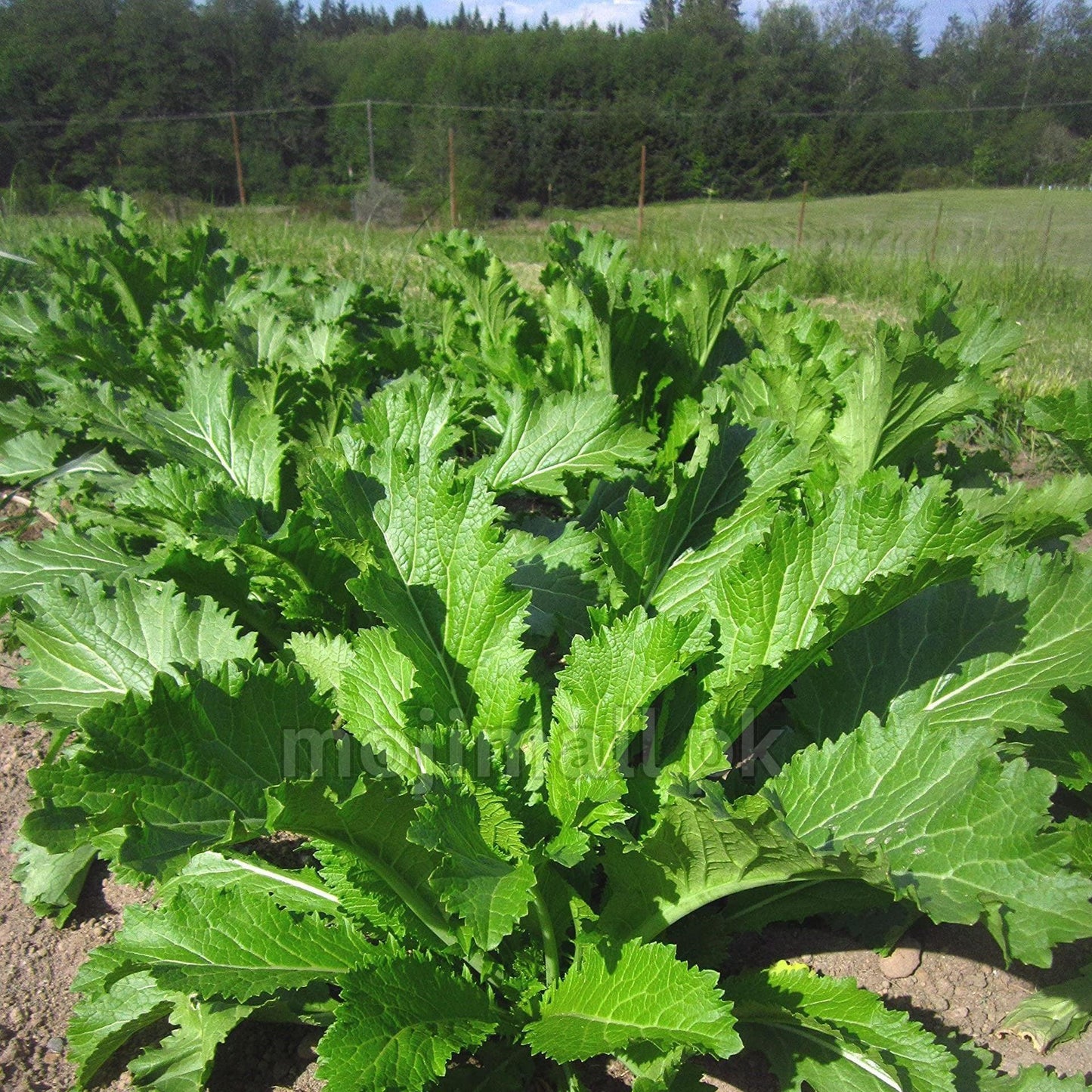
Grow the traditional taste of Punjab at home with Desi Sarson Saag Seeds. This cool-season leafy vegetable produces the mustard greens used in sarson ka saag, a popular Pakistani dish traditionally enjoyed with makki di roti.
Sarson is valued for its rich, distinctive taste and fresh winter leaves. Each pack contains 2000+ seeds, suitable for repeated sowing in pots, raised beds and home gardens.
Why Gardeners Love It
- Traditional desi mustard greens for sarson ka saag
- Rich taste valued in Punjabi cooking
- Fast-growing winter leafy vegetable
- Direct sowing without transplanting
- Suitable for pots, beds and rooftop gardens
- Outer leaves can be picked repeatedly
- Can be sown in batches for a longer supply
Seed Details
| Detail |
Information |
| Plant type |
Desi mustard greens |
| Seed quantity |
2000+ seeds |
| Growing season |
Winter |
| Sowing method |
Direct sowing |
| Best location |
Full sun to partial sun |
| Suitable for |
Pots, beds and rooftop gardens |
| Main use |
Fresh leaves for cooking |
Best Time
Sarson grows best in cool weather. In Lahore, Faisalabad, Islamabad and Rawalpindi, sow from September to November. Another small sowing can be made after two to three weeks for a longer supply of leaves.
In Karachi and southern Punjab, sow from October into December after the strongest heat has passed. In colder northern and hilly areas, sow in early autumn or from March to April after hard frost.
High temperatures can cause plants to form flower stalks early and make the leaves stronger in taste.
How to Sow
- Prepare loose, fertile soil that drains well.
- Sow seeds about ⅓ to ½ inch deep.
- Keep the soil lightly moist until seedlings appear.
- Thin crowded seedlings when they develop true leaves.
- Leave approximately 4 to 6 inches between plants grown for regular leaf picking.
The removed seedlings can be used as young greens. Provide additional space when growing larger plants.
Growing in Pots
Use a wide container with open drainage holes. A depth of approximately 8 to 10 inches is suitable for growing mustard greens for leaves.
Do not overcrowd the pot. Closely packed plants compete for light, moisture and nutrition, producing smaller leaves. Place the container where it receives several hours of direct sunlight.
Plant Care
Keep the soil evenly moist but not waterlogged. Dry soil and warm weather can make the leaves tougher and encourage early flowering.
Before sowing, mix some vermicompost fertilizer into poor soil. Additional fertilizer is usually unnecessary when the soil is already fertile.
Check young leaves for aphids and leaf-eating insects. Remove badly affected leaves and inspect the undersides regularly. Cold-pressed neem oil may be used according to its directions when treatment is required.
Harvesting
Begin picking young outer leaves once they are large enough to use. Leave the centre of the plant undamaged so it can continue producing new growth.
Regular picking encourages fresh leaves. Harvest before the plants form flower stalks for softer leaves and a milder taste.
FAQs
Why are my sarson plants producing flowers instead of more leaves?
Warm weather, mature plants or irregular watering can trigger flowering. Sow during the cool season and harvest regularly before flower stalks develop.
Can sarson grow again after cutting?
Yes. Cut the outer leaves and leave the central growing point intact. The plant can produce additional leaves while temperatures remain cool and it receives enough water.
Why are there many small holes in the leaves?
Small holes are commonly caused by flea beetles or young caterpillars. Check both sides of the leaves, remove visible insects and treat early before damage spreads.
Common Names: Sarson Saag, Mustard Greens, Desi Sarson, Sarson Ka Saag (سرسوں کا ساگ)