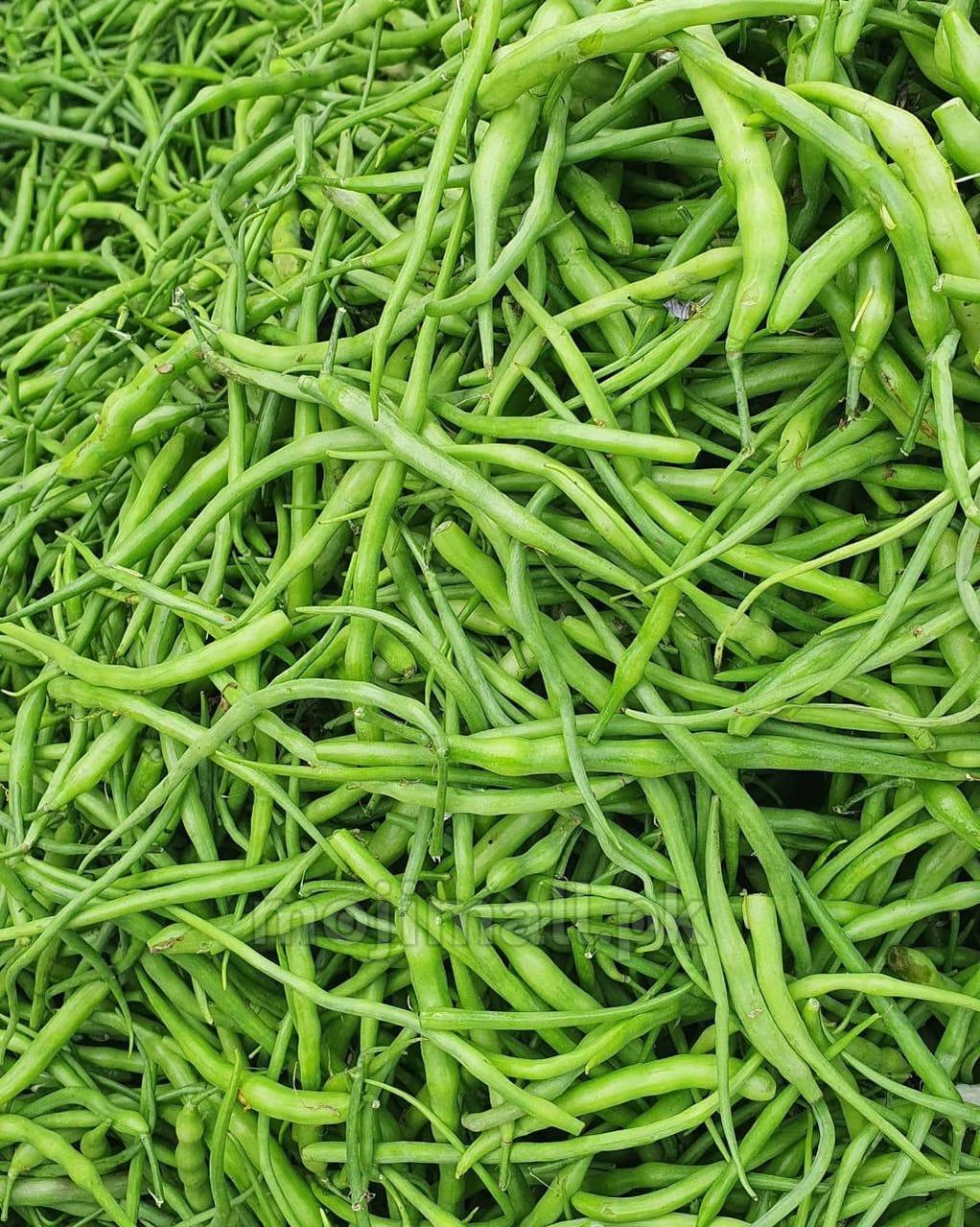
Radish Pods, commonly called Moongray, produce crisp green pods with a mildly sharp radish taste. Pick them while tender and cook them with potatoes, tomatoes, onions and spices. They can also be added to stir-fries, pickles, chutneys and salads.
Podding radishes were developed in southern Asia and have long been grown as a seasonal vegetable in Pakistan and northern India. The branching plants produce pale flowers followed by clusters of edible green pods.
Why Grow It
-
Crisp Pods: Young pods are juicy, crunchy and mildly spicy.
-
Local Cooking: Suitable for aloo moongray and other home-cooked dishes.
-
Repeated Picking: Plants continue forming pods when harvested regularly.
-
Quick Growing: The first pods may be ready within 45–60 days.
-
Container Suitable: Can be grown in a large pot with adequate support.
Best Conditions
-
Germination: Usually 4–10 days
-
Temperature: Around 10–25°C
-
Sunlight: At least 6–8 hours
-
Pot size: A 16–18-inch pot for one plant
-
Spacing: About 12–18 inches between plants
-
Plant height: Usually around 24–48 inches
-
Soil: Moist, fertile and well-draining mix
In Lahore, Faisalabad, Islamabad and Rawalpindi, sow from September to November. In hotter areas such as Karachi and southern Punjab, sow from October to December once the strongest heat has eased. In colder northern and hilly areas, sow from March to April after the risk of hard frost has passed, or from August to September for an autumn planting.
How to Sow
- Prepare a sunny garden bed or large container with loose, moist soil.
- Make holes around ½ inch deep and 12–18 inches apart.
- Sow 2–3 seeds in each hole and cover lightly.
- Water gently and keep the soil lightly moist.
- Keep the strongest seedling at each position after true leaves appear.
Plant Care
Water regularly, especially while flowers and pods are developing. Avoid allowing the soil to remain completely dry because moisture stress can affect pod quality. Support tall or spreading branches with a stake if they begin leaning.
Mix Vermicompost into the soil before sowing. Add another small amount around the plants when flower stems begin developing. Keep the flowers on the plant because the pods form after flowering.
Check the leaves for aphids, flea beetles and cabbage caterpillars. Remove caterpillars and badly damaged leaves by hand. If aphids appear, spray Neem Oil on affected leaves, avoiding open flowers.
Local Gardener Tips
- Sow directly where the plants will remain.
- Grow 2–3 plants for more regular household picking.
- Avoid spraying open flowers while bees are visiting.
- Pick the pods during the cool morning hours for their best texture.
Harvesting
Begin checking the plants for pods around 45–60 days after sowing. Pick them while they are green, tender and easy to snap. Pods become harder as the seeds inside grow larger.
Cut the pods with scissors or pinch them carefully without pulling the branches. Harvest every 2–3 days to encourage more flowers and pods. The whole young pod can be eaten after removing its stem end. Use it fresh or refrigerate it for a few days.
FAQs
Why are the flowers not forming pods?
Poor pollination, very hot weather or irregular watering can cause flowers to fall. Grow the plants in full sunlight, maintain regular moisture and allow bees to visit the flowers.
Can the leaves and flowers be eaten?
Yes. Young leaves and flowers are edible and have a radish-like taste. Wash them thoroughly and use only tender, undamaged growth.
Common names: Radish Pods, Moongray, Mongray, Moongra, مونگرے