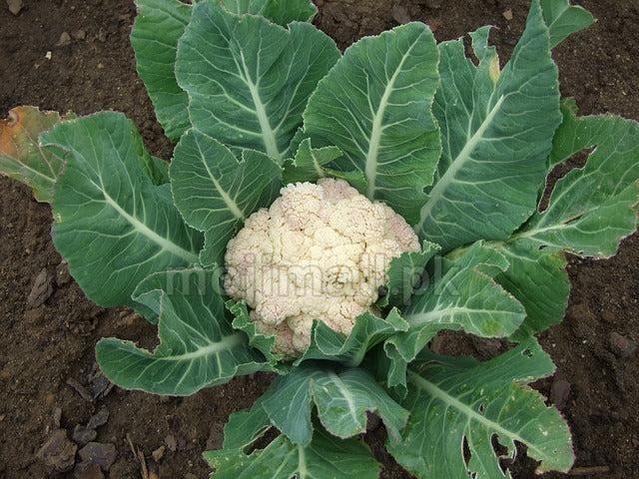
Desi Cauliflower forms a rounded, creamy-white head surrounded by broad green leaves. Its tightly packed florets have a mild, slightly sweet flavour and can be used in aloo gobhi, gobhi gosht, mixed sabzi, pakoras, pulao, soups and achar.
Cauliflower developed around the eastern Mediterranean and was brought to northern India during the early 1800s. Growers later selected plants that handled South Asia’s conditions better, helping phool gobhi spread across the region and become a familiar winter vegetable in Pakistan.
Why Gardeners Love It
-
Firm White Heads: Produces tightly packed florets for fresh home cooking.
-
Kitchen Favourite: Useful in sabzi, curries, pakoras, pulao and achar.
-
Cool-Season Growing: Develops well during Pakistan’s mild winter weather.
-
Pot Friendly: One plant can grow comfortably in a large container.
-
Generous Harvest: A mature head can provide florets for several dishes.
Best Conditions
-
Germination: Usually 5–10 days
-
Growing temperature: Around 15–22°C
-
Sunlight: At least 6–8 hours
-
Pot size: A 14–16-inch pot for one plant
-
Spacing: About 18–24 inches between plants
-
Plant height: Usually around 18–30 inches
-
Harvest: Usually 80–120 days from sowing
-
Soil: Fertile, moisture-holding and well-draining soil
In Lahore, Faisalabad, Islamabad and Rawalpindi, sow from August to October for planting during the cooler months. In hotter areas such as Karachi and southern Punjab, sow from September to November after the strongest heat has eased. In colder northern and hilly areas, sow from March to April after hard frost has passed, or from July to August for autumn planting where summers remain mild.
How to Sow
- Fill a seedling tray or small pots with fine, moist seed-starting mix.
- Sow the seeds about ¼ inch deep and cover them lightly.
- Water gently and keep the mix moist until the seedlings appear.
- Place the seedlings in bright light and gradually introduce them to outdoor conditions.
- Transplant when they have 4–5 true leaves, leaving 18–24 inches between plants.
Plant Care
-
Watering: Water when the upper soil begins drying. Keep moisture steady while the leaves and head develop, but do not leave the soil soaked. Water around the base instead of pouring directly into the centre.
-
Feeding: Mix Vermicompost into the soil before transplanting. If an established plant remains pale and makes little new growth despite correct watering and sunlight, apply NPK 20-20-20 Fertilizer once at 1 teaspoon per litre of water. Do not increase the dose when the head begins forming.
-
Pests: Check the undersides of leaves for aphids, caterpillar eggs and small green caterpillars. Remove visible eggs and caterpillars by hand. If aphids continue spreading, spray Neem Oil in the evening, including underneath the affected leaves.
Local Gardener Tips
- Keep only one cauliflower plant in each large pot.
- Firm the soil gently around newly transplanted seedlings.
- Protect young plants from strong afternoon sun for the first few days.
- Do not damage the central growing point because the head forms there.
- When the white head becomes visible, loosely fold a few outer leaves over it to protect it from direct sunlight.
Harvesting
Cauliflower is usually ready within 80–120 days from sowing, depending on the weather and planting time. Harvest when the head is firm, full-sized and tightly packed. Do not wait until the florets begin separating or the surface becomes loose and grainy.
Use a clean, sharp knife to cut the main stem below the head. Leave a few surrounding leaves attached to protect the cauliflower during handling. Use it fresh or place it in the refrigerator soon after harvesting.
FAQs
Why is my Cauliflower producing leaves but no head?
Warm weather, overcrowding, weak sunlight, excessive nitrogen or damage to the central growing point can prevent proper head formation. A plant that remains stressed for a long time may continue producing leaves without developing a good head.
Why has the plant formed a very small head too early?
This is often called buttoning. It can happen when seedlings are transplanted too late, their roots are disturbed, or the plants experience sudden cold, heat, dryness or poor nutrition while young. The small head will not become much larger.
Why is the head becoming loose or grainy?
Warm weather during head development can cause the florets to separate. An overmature head may also begin loosening. Harvest as soon as the head becomes firm and reaches a useful size.
Are Cauliflower leaves edible?
Yes. Healthy young leaves and tender stalks can be washed, chopped and cooked in sabzi, soups or mixed vegetable dishes.
Common names: Cauliflower, Desi Phool Gobhi, Phool Gobhi, White Cauliflower, پھول گوبھی, سفید گوبھی