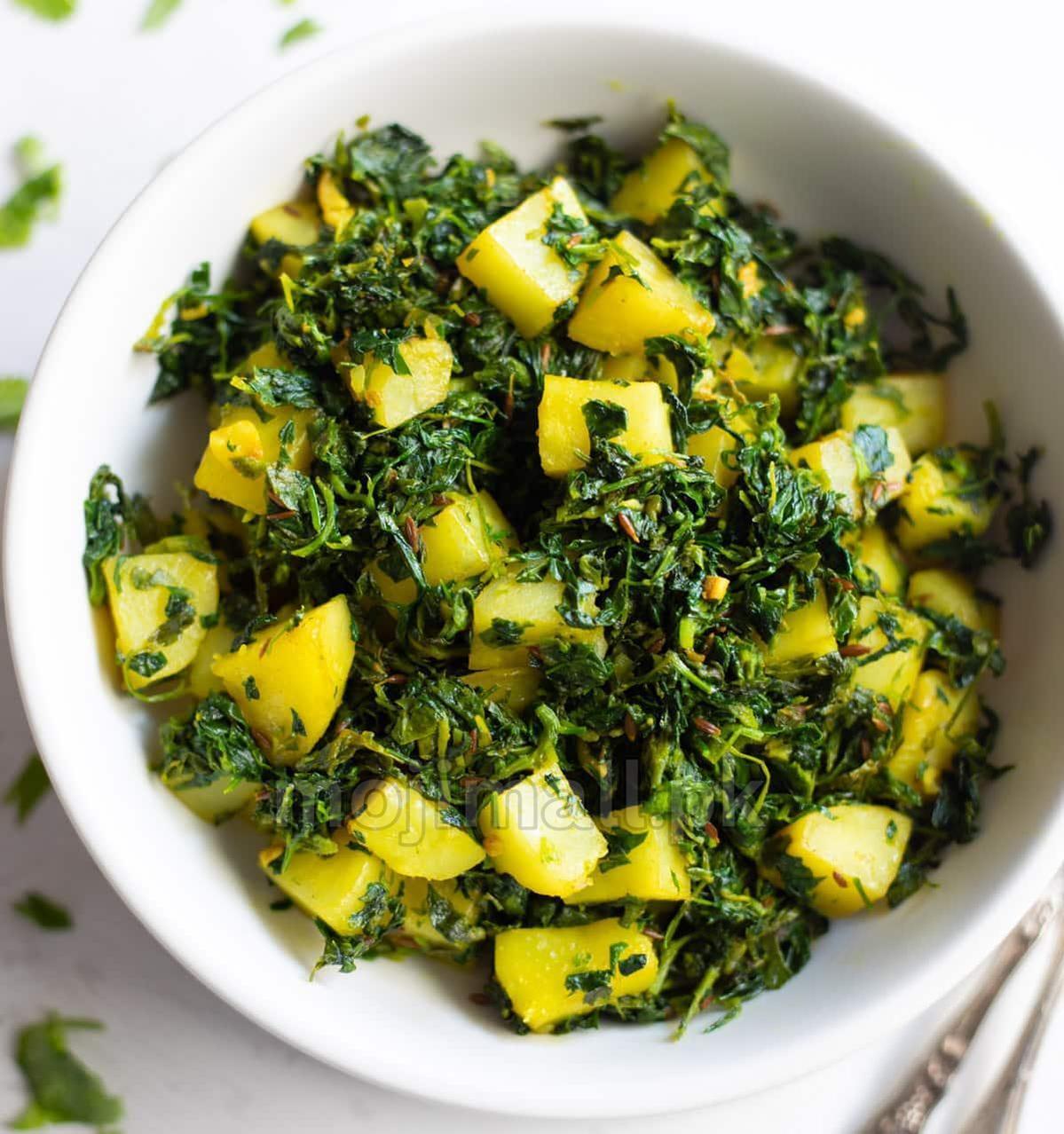
Fenugreek, widely known as Methi or Kasuri Methi, is a fast-growing cool-season herb valued for its fresh leaves and aromatic seeds. The leaves have a savoury, mildly bitter taste and are commonly cooked in aloo methi, saag, paratha and lentils.
Native to Pakistan and surrounding parts of West Asia, fenugreek has been used in regional cooking for generations. Its seeds have a stronger flavour and develop a warm, slightly sweet aroma when cooked. It grows well in pots and home gardens during mild weather.
Why Grow It
-
Familiar Flavour: Fresh leaves have a savoury, mildly bitter taste.
-
Fast Harvest: Young leaves can be ready within 3–4 weeks.
-
Leaves and Seeds: Both parts of the plant can be used in cooking.
-
Fresh or Dried: Leaves can be cooked fresh or dried for later use.
-
Pot Friendly: Grows well in balconies, rooftops and small gardens.
Best Conditions
-
Germination: Usually 3–7 days
-
Temperature: Around 15–25°C
-
Sunlight: At least 4–6 hours
-
Pot size: A wide 6–8-inch-deep pot
-
Spacing: About 2–4 inches between plants
-
Plant height: Usually around 12–24 inches
-
Soil: Light, moderately fertile and well-draining
Sowing note: In Lahore, Faisalabad, Islamabad and Rawalpindi, sow from September to November, or again in February for a short spring planting. In hotter areas such as Karachi and southern Punjab, sow from October to January while the weather remains mild. In colder northern and hilly areas, sow from March to April, after the risk of hard frost has passed.
How to Sow
- Fill the final pot or garden space with moist potting mix.
- Make shallow rows around ¼–½ inch deep.
- Sow the seeds about 1 inch apart.
- Cover them lightly with the potting mix.
- Water the surface with a gentle spray.
- Place the pot in a bright, sunny location.
- Keep the mix lightly moist until seedlings appear.
- Thin the seedlings to 2–4 inches apart as they grow.
Plant Care
Keep the soil lightly moist while the leaves are developing. Thin crowded seedlings early to give the remaining plants more space, and remove weeds before they compete with the young roots.
Mix a small amount of Vermicompost into the soil before sowing. Check young leaves for aphids and leaf miners. Remove badly damaged leaves and spray Neem Oil on any remaining affected leaves.
Local Gardener Tips
- Soak the seeds for 6–8 hours if you want quicker sprouting.
- Sow small batches every 2–3 weeks for continued picking.
- Grow plants slightly closer when harvesting young leaves.
- Provide afternoon shade if warm weather arrives early.
- Leave a few healthy plants untouched if you want seeds.
Harvesting
Begin harvesting young leaves around 3–4 weeks after sowing. Cut the stems about 1–2 inches above the soil, leaving the lowest growth in place. Some plants may provide another smaller cutting.
Harvest the leaves before flower buds open for a milder taste. To make dried methi, dry clean leaves in a shaded, airy place and store them in a sealed container.
For seeds, leave selected plants until the pods turn yellow-brown. Collect the pods before they split, dry them completely and remove the hard seeds.
FAQs
Why do my fenugreek leaves taste bitter?
Mild bitterness is natural. Older leaves and plants exposed to heat or dry soil usually taste more bitter. Harvest the leaves young and water regularly for a milder taste.
Will fenugreek grow again after cutting?
Yes. Cut the stems 1–2 inches above the soil and leave the lowest growth in place. Fresh leaves will grow again for another harvest.
Can fenugreek grow indoors?
Yes. It can be grown indoors for young leaves near a sunny window receiving at least four hours of direct light. Full-sized plants usually perform better outdoors.
Common names: Fenugreek, Methi, Methi Saag, Methi Dana, میتھی, میتھی ساگ, میتھی دانہ