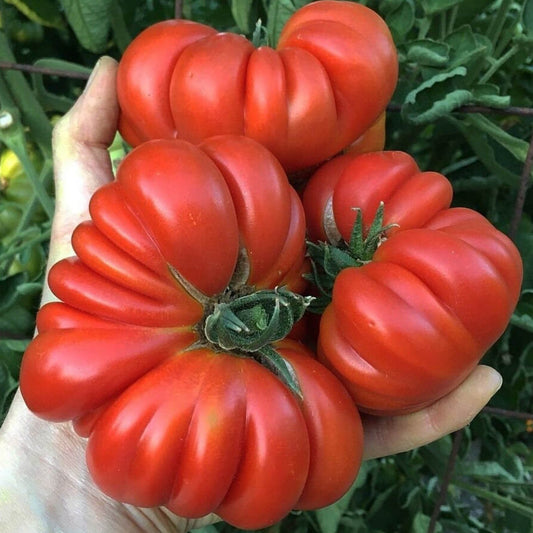
Exotic vegetable seeds bring less commonly grown vegetables and distinctive varieties of familiar plants to Pakistani home gardens. Curly Kale, Brussels Sprouts, Kohlrabi, Leek and Bok Choy expand the winter garden, while White Brinjal, coloured Capsicums, Red-stem Malabar Spinach and unusual tomatoes provide different colours, shapes and growth habits.
Some are vegetables that remain uncommon in local markets, while others are special varieties of tomatoes, brinjals, peppers, cabbage and radish that differ from the types normally grown at home.
Choose Vegetables
| Interest |
Suitable Choices |
Main Feature |
| Unusual tomatoes |
Yellow Pear, Chocolate Cherry, Ox Heart, Beef and Saint Pierre |
Different fruit colours, sizes and shapes |
| Coloured vegetables |
White Brinjal, Purple Capsicum, White Capsicum and Red Cabbage |
Less familiar colours in known vegetables |
| Leafy vegetables |
Curly Kale, Bok Choy, Chinese Cabbage and Red-stem Malabar Spinach |
Leaves for salads and cooked dishes |
| Cool-season vegetables |
Brussels Sprouts, Kohlrabi, Leek and Celery |
Vegetables less often grown in local home gardens |
| Different radishes |
French Radish, Red Round Radish and Red Long Radish |
Shapes and colours beyond common white Mooli |
| Warm-season climbers |
Red-stem Malabar Spinach and Calabash Gourd |
Climbing growth for trellises and railings |
Temperature remains the first consideration. Kale, Brussels Sprouts, Kohlrabi, Leek, Bok Choy and Radish need cool weather, while tomatoes, Capsicums, Brinjal and Malabar Spinach need warmth.
Unusual Tomatoes
Yellow Pear Tomato produces small yellow fruits with a pear-like shape. Chocolate Cherry develops darker fruits, while Ox Heart produces larger tomatoes with a heart-shaped form.
Beef Tomato is selected for larger, fleshier fruits. Saint Pierre is a named French variety, while indeterminate Cherry Tomato types continue extending their stems and need tall support.
These varieties follow the same basic care as other tomatoes. Start them during mild to warm weather, move established seedlings into large containers and provide stakes or cages before the stems become heavy.
One vigorous indeterminate tomato can grow well in a 15 to 20 gallon container. Smaller Cherry Tomato types can begin in a 12 to 15 gallon grow bag, although more root space makes moisture easier to manage.
Fruit colour develops gradually. Yellow Pear should become fully yellow, while Chocolate Cherry needs time to develop its expected darker shade.
Coloured Vegetables
White Brinjal produces pale fruits on a plant with the same general needs as other brinjals. It requires warm soil, direct sunlight and steady moisture during flowering and fruit development.
Purple and White Capsicums provide colours that are less familiar than ordinary green peppers. Red and Yellow Capsicums begin green and develop their final colour as the fruit ripens.
A coloured Capsicum picked early may still be green. Leave selected fruits on the plant longer when the mature red, yellow, purple or pale colour is wanted.
Red Cabbage forms purple-red heads during cool weather. Its colour becomes stronger as the plant matures, but the final shade can vary with the variety, temperature and growing conditions.
Winter Choices
Curly Kale produces textured leaves that can be collected gradually from the lower part of the plant. Keeping the central growing point intact allows fresh leaves to continue developing.
Bok Choy forms broad leaves and thick pale stalks. Chinese Cabbage develops a larger leafy head or upright cluster, depending on the variety. Both need cool weather because rising heat can cause premature flowering.
Kohlrabi develops a rounded swollen stem above the soil. It should not be buried like a root vegetable. Give each plant enough space for the stem to expand without being pressed by neighbouring plants.
Brussels Sprouts form small cabbage-like heads along a tall central stalk. They need a long period of cool growing conditions, making autumn sowing important in Lahore, Islamabad, Rawalpindi and similar regions.
Leek develops a thick pale lower stem and upright strap-shaped leaves. Celery needs steady moisture and milder temperatures to develop its stalks without becoming tough or stressed.
French, Red Round and Red Long Radishes provide shapes and colours beyond the familiar white Mooli. Round types can grow in shallower containers, while long varieties need deeper loose soil.
Warm Choices
Red-stem Malabar Spinach is a heat-loving leafy vine with reddish stems and broad leaves. It grows during conditions that are too warm for ordinary winter spinach.
Provide netting, strings or a trellis while the plant is young. Regular picking of the tender growing tips encourages branching and keeps the vine manageable.
Calabash Gourd or Lattu Kaddu (لٹو کدو) produces rounded decorative-looking fruits on a vigorous warm-season vine. It needs a strong trellis and considerably more space than leafy Malabar Spinach.
Tomatoes, Capsicums and White Brinjal are also warm-season plants. Start them early enough to establish before severe summer heat affects flowering.
Sowing Time
In Lahore, Faisalabad, Islamabad and Rawalpindi, sow Kale, Brussels Sprouts, Kohlrabi, Leek, Celery, Bok Choy, Chinese Cabbage, Red Cabbage and Radish from September through November.
Start tomatoes, Capsicums and White Brinjal from January through March. Red-stem Malabar Spinach and Calabash Gourd can be sown from February through April. Another warm-season sowing may begin during July and August as the strongest heat starts easing.
In Karachi, sow cool-season vegetables from October through December. Tomatoes, Capsicums and Brinjal can be started from August through October or from January through February. Malabar Spinach can grow through a longer part of the warm season.
In southern Punjab, October and November provide the main window for cool-season vegetables. Start warm-season varieties during January and February, with another opportunity during July and August.
In colder northern and hilly areas, sow cool-season vegetables from August through October or during early spring. Start tomatoes, peppers, brinjals and warm-season vines from March through April after the risk of hard frost has passed.
How to Sow
- Fill a labelled seedling tray or small pots with loose seed-starting mixture.
- Sow tomatoes, peppers, brinjals, brassicas, Leek and Celery at the depth stated on their product pages.
- Plant large Calabash Gourd seeds individually in small pots or their final position.
- Water gently and maintain even moisture during germination.
- Move established seedlings after several true leaves appear, keeping the roots and surrounding mixture together.
Celery, Leek and some imported vegetables may develop slowly during their early stages. Keep their trays labelled and do not allow the fine surface mixture to dry completely.
Radish is normally sown directly in its final pot or bed. Kohlrabi can be started in trays, but young seedlings should be moved before they become crowded.
A loose seed starter mix helps small seeds receive even moisture and allows young roots to spread.
Pots and Beds
Bok Choy, French Radish and Red Round Radish can grow in containers around 8 to 10 inches deep. Wider planters allow several plants to be spaced in rows.
Kohlrabi, Celery, Leek and Curly Kale benefit from containers approximately 10 to 12 inches deep. Use one Kale plant or several properly spaced smaller vegetables in each wide planter.
Red Cabbage, Chinese Cabbage and Brussels Sprouts need larger pots around 12 to 16 inches wide. One mature plant per pot prevents its outer leaves from crowding neighbouring plants.
Use a container around 14 to 18 inches wide and deep for one Capsicum or White Brinjal plant. Tomatoes need approximately 15 to 20 gallons for vigorous growth.
Malabar Spinach grows well in a container around 12 to 16 inches wide and deep with a trellis. Calabash Gourd needs a 20 gallon container or open ground with a strong overhead support.
Plant Care
-
Sunlight: Provide 6 to 8 hours for tomatoes, Capsicums, Brinjal, Kale and climbing vegetables
-
Soil: Use loose growing mixture with drainage and organic matter
-
Watering: Maintain steady moisture according to the vegetable and season
-
Feeding: Apply compost or a balanced fertilizer during active growth
-
Spacing: Allow large leaves, heads and swollen stems enough room to develop
-
Support: Stake tomatoes and provide trellises for Malabar Spinach and Calabash Gourd
-
Temperature: Protect cool-season vegetables from late heat and warm-season plants from frost
Inspect young leaves for aphids, whiteflies, mites, flea beetles and caterpillars. Brussels Sprouts, Kale, Kohlrabi, Cabbage and Bok Choy need regular checks because caterpillars can hide beneath their leaves.
Remove lower leaves that become badly damaged or rest continuously on wet soil. Keep healthy upper leaves because they support continued plant growth.
Browse the collection to buy exotic vegetable seeds online in Pakistan for distinctive tomatoes, coloured vegetables, leafy greens and less commonly grown garden varieties.
Find More
Explore rare seeds for unusual vegetables, herbs and ornamental plants or browse vegetable seeds for the complete kitchen-garden range.
You can also find salad green seeds, hybrid vegetable seeds, gourd seeds, grow bags and potting mixes.
FAQs
Why are my Brussels Sprouts loose instead of firm?
Warm weather can cause the small heads to remain open and leafy. Plant early enough for the heads to develop during sustained cool conditions and avoid excessive nitrogen feeding.
Why is Kohlrabi producing leaves without a swollen stem?
Crowding, prolonged heat or delayed transplanting can prevent the stem from expanding properly. Give each plant enough space and grow it during cool weather.
Can a foreign packet’s spring sowing instructions be followed in Pakistan?
Not automatically. A foreign spring month may provide temperatures similar to Pakistan’s autumn or winter. Match the vegetable to local temperature instead of copying the printed foreign month.
 Sale
Sale