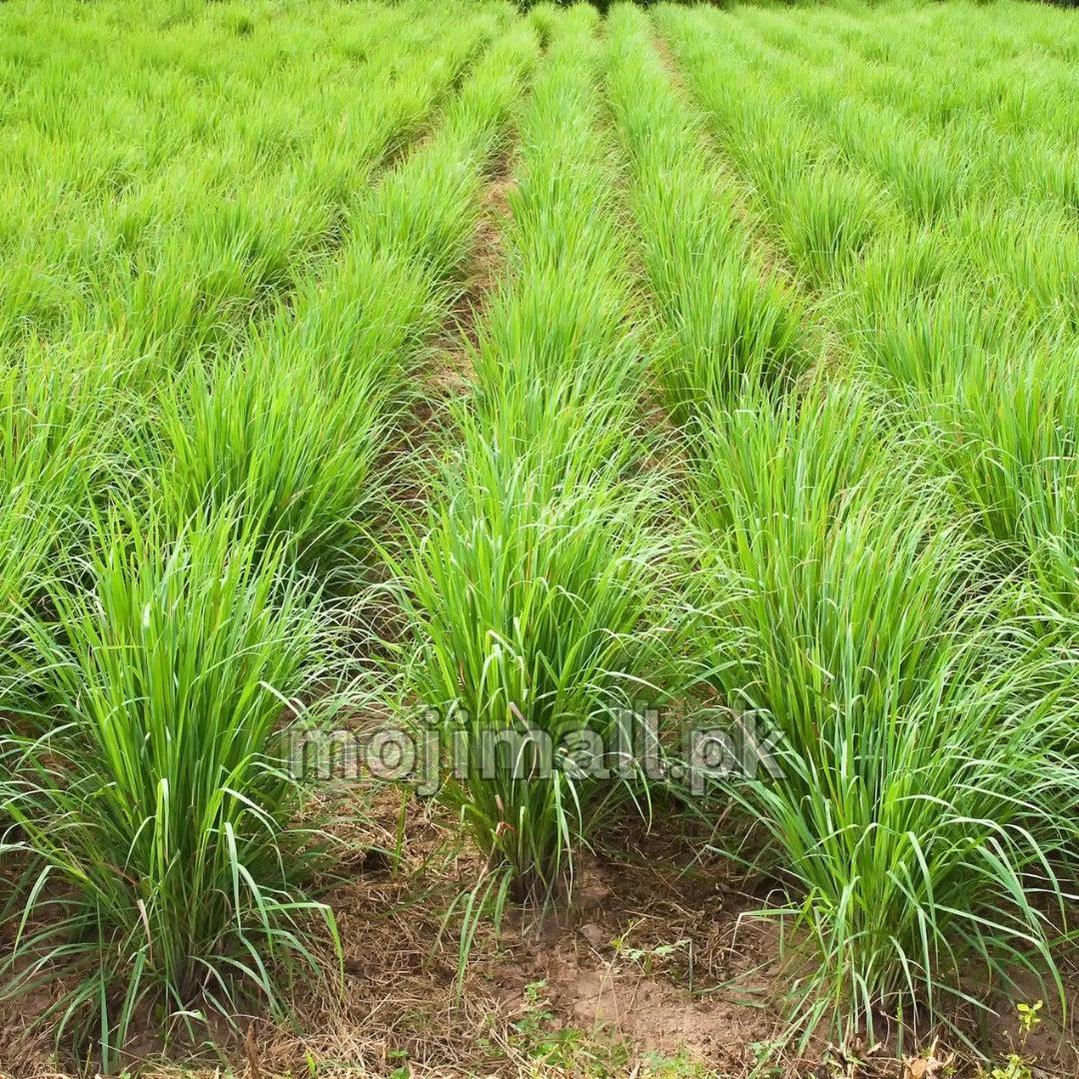
Lemongrass is a warm-season perennial herb used in teas, soups, curries, sauces, marinades and rice dishes. Its leaves and tender stems have a light, refreshing lemon flavour with a mild ginger-like taste.
Native to tropical Asia, lemongrass has long been used in South and Southeast Asian cooking. It grows quickly during warm weather and can continue growing for several years in warm areas protected from frost.
Why Grow It
-
Lemon Flavour: Refreshing lemon taste with a mild ginger-like flavour.
-
Tea and Cooking: Suitable for drinks, soups, curries and sauces.
-
Repeated Picking: Outer leaves and stems can be harvested as needed.
-
Long-Lived Herb: Established clumps can return for several years.
-
Pot Friendly: Suitable for rooftops, patios and home gardens.
Best Conditions
-
Germination: Usually 7–15 days
-
Temperature: Around 20–35°C
-
Sunlight: At least 6–8 hours
-
Pot size: A 14–16-inch-wide pot
-
Spacing: About 12–18 inches between plants
-
Plant height: Usually around 24–48 inches
-
Soil: Moist, fertile and well-draining mix
Sowing note:
In Lahore and Faisalabad, sow from February to April, or again from August to September after heavy monsoon rain has eased. In Islamabad and Rawalpindi, sow from March to April as the weather becomes warmer.
In hotter areas such as Karachi and southern Punjab, sow from February to April, or again from August to October once the strongest summer heat has eased. In colder northern and hilly areas, sow from April to May, after the risk of frost has passed.
How to Sow
- Fill a tray or small pot with fine, moist seed starter mix.
- Scatter the tiny seeds thinly over the surface.
- Press them gently and cover with a very thin layer of the mix.
- Mist the surface and cover the tray with clear plastic.
- Keep the tray warm with bright, indirect light.
- Open the cover daily and keep the surface lightly moist.
- Remove the cover once the seedlings appear.
- Transplant the seedlings in small clumps when they are 3–4 inches tall.
Plant Care
Keep the soil lightly moist while the seedlings are developing. Established plants need regular watering during hot weather, but the roots should not remain waterlogged. Remove dry outer leaves to keep the clump clean and make space for fresh growth.
Mix a small amount of Vermicompost into the final potting mix. For established potted plants, mix a small amount into the upper soil every 4–6 weeks during active growth. Lemongrass is naturally aromatic and usually has few pest problems. If spider mites appear, spray Neem Oil on the affected leaves.
Local Gardener Tips
- Do not bury the seeds too deep.
- Protect seedlings from strong watering and heavy rain.
- Use a wide container because established clumps need space.
- Keep pots where excess monsoon water can drain easily.
- Protect the plant from frost in Islamabad and colder areas.
Harvesting
Begin harvesting once the clump is growing strongly and the outer stems are around ½ inch thick. Cut individual outer stems close to the soil and leave the younger central growth in place.
Remove the tough outer layer before using the tender lower stem. It can be sliced or lightly crushed before adding it to soups, curries and sauces. Leaves can be cut for tea, but they are fibrous and should be strained before drinking.
FAQs
Why are my lemongrass stems remaining thin?
Young plants need time to form a thick clump. Provide full sunlight, regular watering, enough pot space and light feeding during warm weather.
Will lemongrass survive winter?
It can remain green during winter in warm, frost-free areas. Cold weather may turn the leaves brown in Lahore, Islamabad and northern areas, so move potted plants to a protected sunny location before frost.
Can lemongrass leaves be used for tea?
Yes. Use fresh or dried leaves, cut them into smaller pieces and strain the drink before serving because the leaves are fibrous.
Common names: Lemongrass, Lemon Grass, Serai, Sereh, Gavati Chaha, لیمن گراس