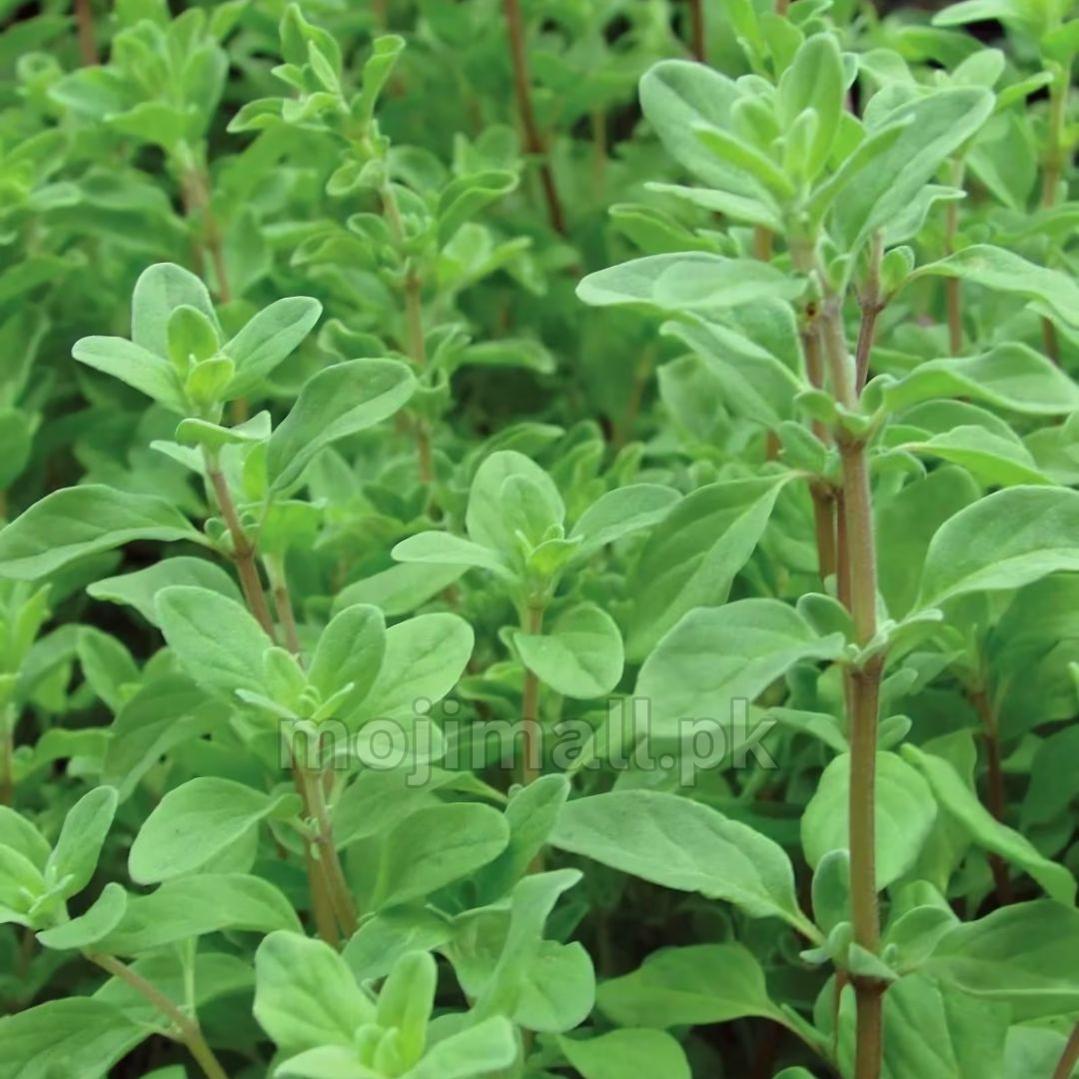
Marjoram, also known as Marwa or Marzanjosh, is a compact aromatic herb with soft grey-green leaves and small white flowers. Its leaves have a mild, slightly sweet and citrusy flavour and can be used in soups, sauces, chicken, vegetables, egg dishes and salad dressings.
Native to southern Türkiye and Cyprus, Marjoram may live for several years where winters remain mild. Severe frost can kill the plant, so it is usually grown for one season or protected during winter in colder areas.
Why Grow It
-
Fresh or Dried: Use the leaves directly or dry them for later use.
-
Repeated Picking: Regular trimming encourages new leafy stems.
-
Pot Friendly: One plant fits comfortably in a medium-sized pot.
-
Pollinator Friendly: Flowers left on the plant attract bees and other pollinators.
Best Conditions
-
Germination: Usually 8–21 days
-
Temperature: Around 18–27°C
-
Sunlight: At least 6 hours
-
Pot size: An 8–10-inch pot
-
Spacing: At least 8 inches between plants
-
Plant height: Usually around 12–18 inches
-
Soil: Light, moderately fertile and well-draining mix
In Lahore, Faisalabad, Islamabad and Rawalpindi, sow during the September to November window. In hotter areas such as Karachi and southern Punjab, sow once the strongest summer heat has eased. In colder northern and hilly areas, sow from March to April after the risk of hard frost has passed.
How to Sow
- Fill a seedling tray or small pot with fine, moist seed starter mix.
- Sprinkle the tiny seeds thinly over the surface.
- Press them gently into the mix and do not bury them too deep.
- Mist carefully, keep the tray warm in bright indirect light and maintain light moisture.
- Transplant the strongest seedlings after they develop 3–4 true leaves.
Plant Care
-
Watering: Water when the upper layer of the potting mix begins drying. Empty collected water from saucers and avoid keeping the roots constantly wet.
-
Soil and Feeding: If the potting mix is heavy or holds water for too long, blend in Perlite before planting. Mix a small amount of Vermicompost into the final potting mix. If a plant kept in the same container for several months becomes pale despite correct watering and drainage, mix 1 tablespoon into the upper soil once and water afterward. Avoid frequent feeding.
-
Trimming: Pinch the growing tips when the plant reaches around 6–8 inches to encourage more branches. Remove flower buds if you mainly want tender leaves, or leave a few flowers for pollinators.
-
Pests: Check tender growth for aphids, whiteflies and spider mites. Wash off small groups with water. If insects continue spreading, spray Neem Oil in the evening, including underneath affected leaves. Follow the product’s harvesting interval and wash the leaves before use.
Local Gardener Tips
- Thin crowded seedlings after their true leaves appear.
- Protect young seedlings from strong watering and heavy rain.
- Wait for fresh growth after transplanting before taking the first cutting.
- Provide light afternoon shade during extreme summer heat.
- Keep containers sheltered during prolonged monsoon rain.
Harvesting
Begin light harvesting after the plant is established and has several healthy branches. Snip a few soft stems just above a pair of leaves, taking no more than one-third of the plant at one time.
The leaves have their best flavour before the flowers open. Add fresh Marjoram near the end of cooking because prolonged heat weakens its taste.
For dried Marjoram, cut healthy stems after the morning moisture has dried. Hang small bundles or spread the stems in a shaded, airy place. Remove the leaves and store them in a sealed container once completely dry.
FAQs
Is Marjoram the same as Oregano?
No. They are closely related, but Marjoram has a milder and slightly sweeter flavour. Oregano usually tastes stronger and sharper.
Why are my Marjoram seedlings collapsing?
Constantly wet mix, crowded seedlings and weak airflow can cause young stems to rot near the soil. Reduce watering, thin crowded areas and improve ventilation.
What are the small green balls on the stem tips?
They are developing flower buds, not a disease or pest problem. Their knot-like appearance is why the plant is also called Knotted Marjoram.
Why are the lower stems becoming woody?
Older Marjoram stems naturally become firmer and woody. Continue picking the soft upper growth and lightly trim straggly stems to encourage fresh branches.
Common names: Marjoram, Sweet Marjoram, Knotted Marjoram, Marwa, Marzanjosh, مروا, مرزنجوش