Collection: Monsoon Vegetable Seeds
Shop monsoon vegetable seeds in Pakistan for productive rainy-season kitchen gardens. Sow after regular monsoon showers begin, usually from late June to August, and choose varieties for pots, grow bags, beds and trellises.
-
Capsicum Yellow – F1 Hybrid 10 Seeds
Regular price Rs.150.00Regular priceUnit price / perSale price Rs.150.00 -
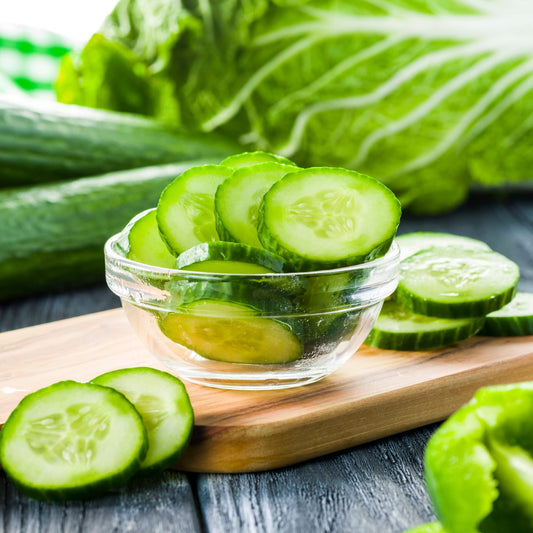
Cucumber (دیسی کھیرے کے بیج) – 50+ Seeds
Regular price Rs.90.00Regular priceUnit price / perRs.100.00Sale price Rs.90.00Sale -
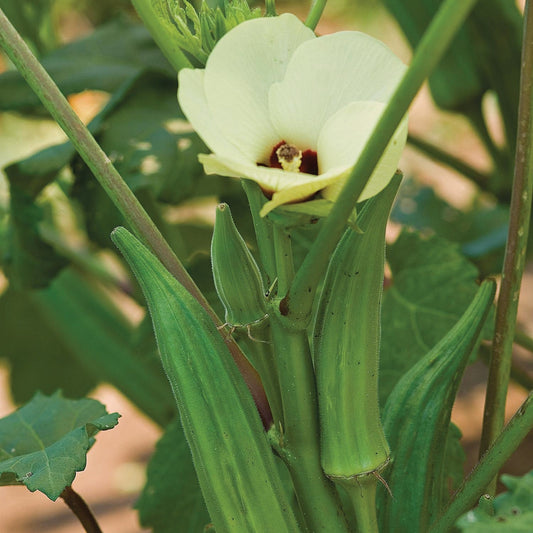
Lady Finger – F1 Hybrid 40+ Seeds
Regular price Rs.100.00Regular priceUnit price / perRs.150.00Sale price Rs.100.00Sale -
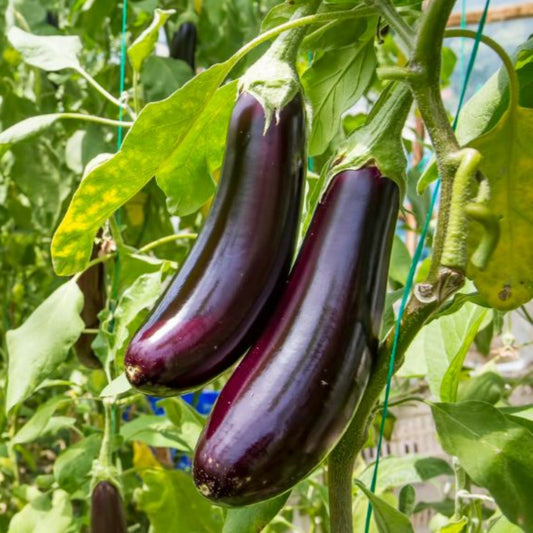
Brinjal Long – F1 Hybrid 40+ Seeds
Regular price Rs.100.00Regular priceUnit price / perRs.150.00Sale price Rs.100.00Sale -
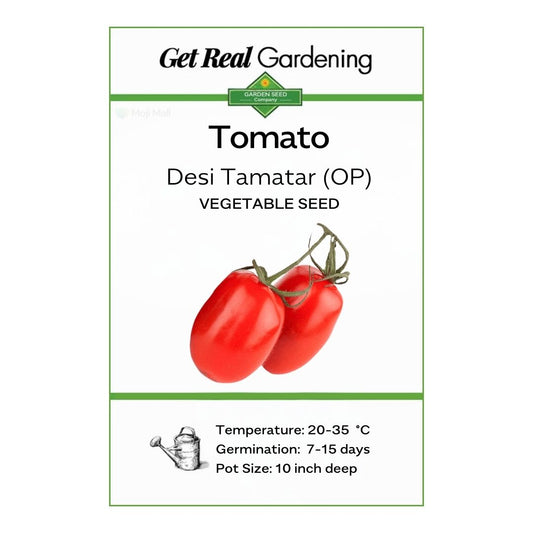
Tomato (دیسی ٹماٹر کے بیج) – 100+ Seeds
Regular price Rs.90.00Regular priceUnit price / perRs.100.00Sale price Rs.90.00Sale -
Thyme – 50+ Seeds
Regular price Rs.150.00Regular priceUnit price / perSale price Rs.150.00 -
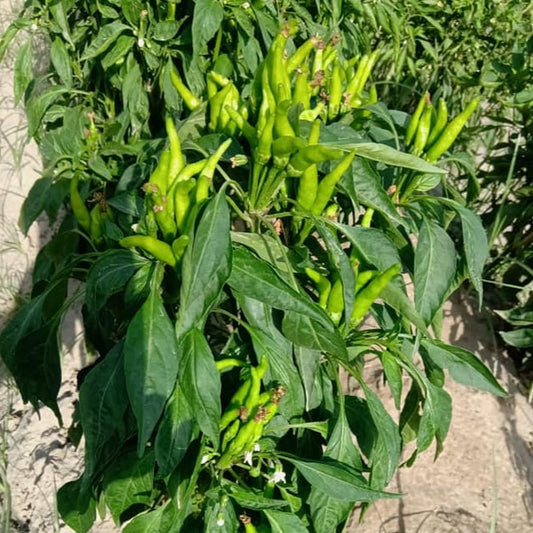
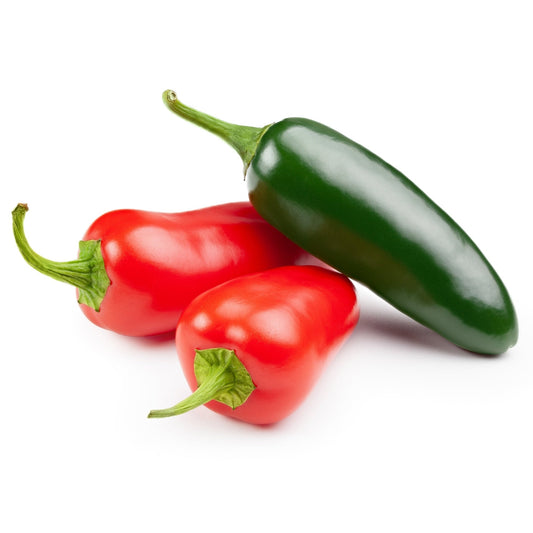
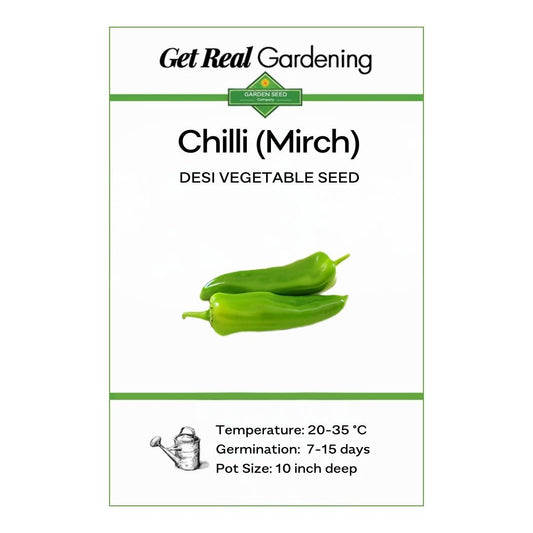
Chili (دیسی مرچ کے بیج) – 50+ Seeds
Regular price Rs.90.00Regular priceUnit price / perRs.100.00Sale price Rs.90.00Sale -
Capsicum Red – F1 Hybrid 10 Seeds
Regular price Rs.150.00Regular priceUnit price / perSale price Rs.150.00 -
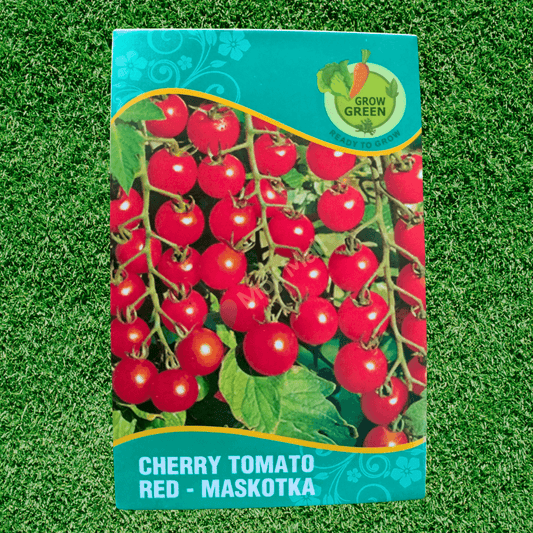
Tomato Cherry (Red) – 25+ Seeds
Regular price Rs.130.00Regular priceUnit price / perRs.150.00Sale price Rs.130.00Sale -
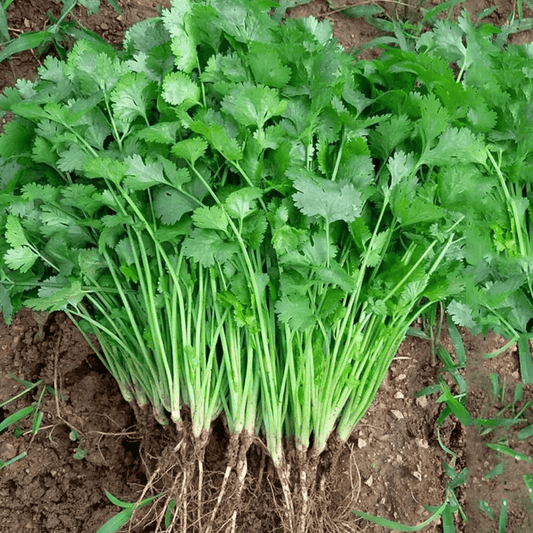
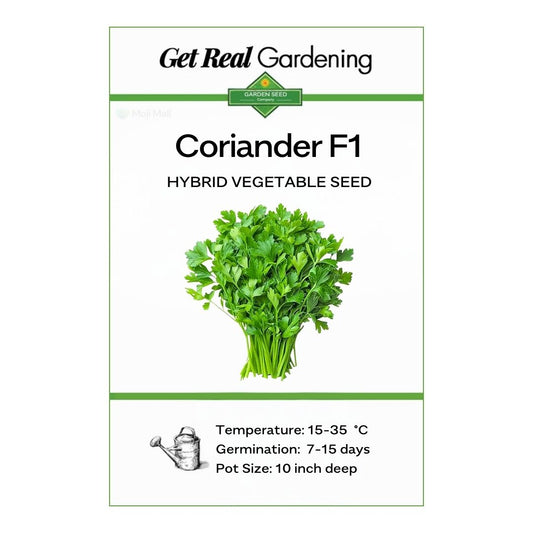
Coriander – F1 Hybrid Seeds
Regular price From Rs.100.00Regular priceUnit price / perRs.150.00Sale price From Rs.100.00Sale -
Corn Yellow – F1 Hybrid 45+ Seeds
Regular price Rs.100.00Regular priceUnit price / perSale price Rs.100.00 -
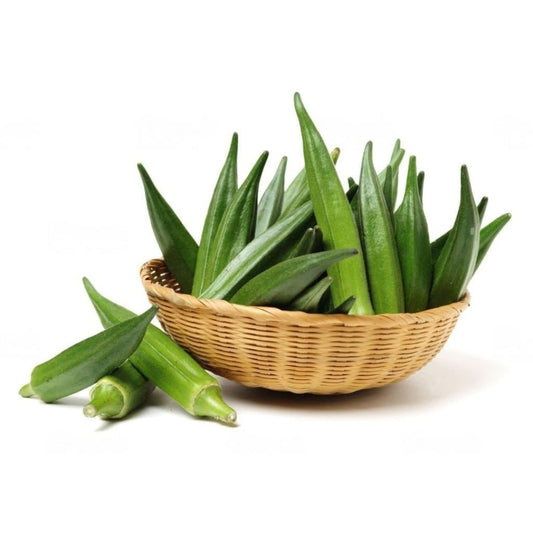
Lady Finger (دیسی بھنڈی کے بیج) – 50+ Seeds
Regular price Rs.90.00Regular priceUnit price / perRs.100.00Sale price Rs.90.00Sale -
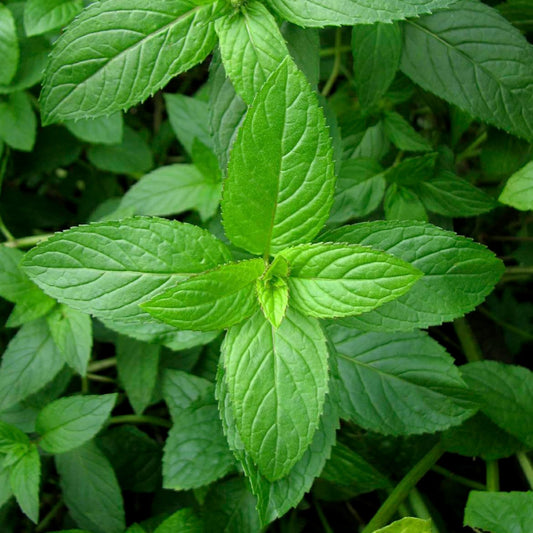
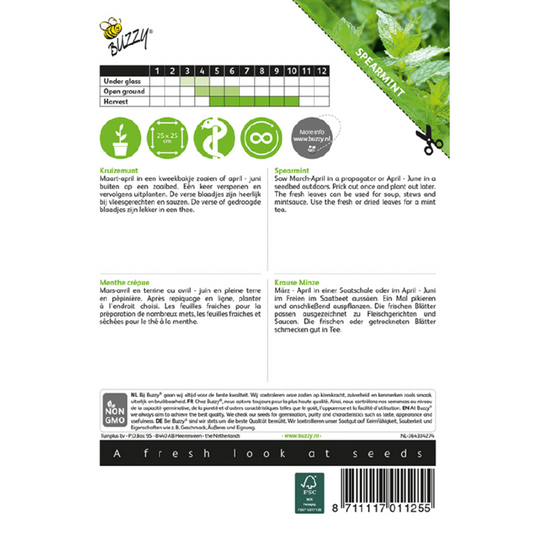
Mint (Spearmint) – Approx. 100 Seeds
Regular price Rs.150.00Regular priceUnit price / perSale price Rs.150.00 -
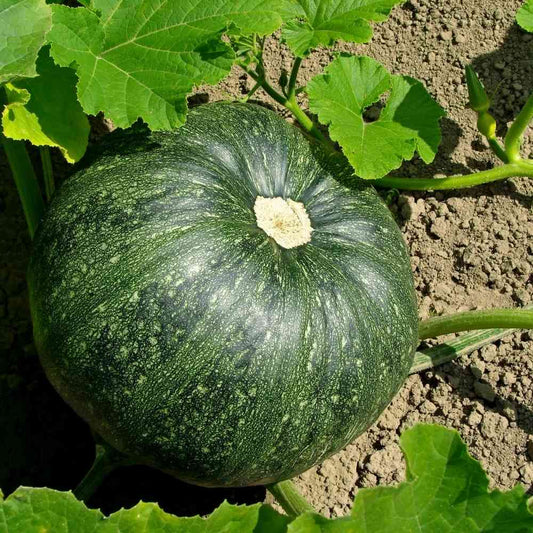
Ash Gourd (سفید پیٹھے کے بیج) – 30+ Seeds
Regular price Rs.100.00Regular priceUnit price / perSale price Rs.100.00 -
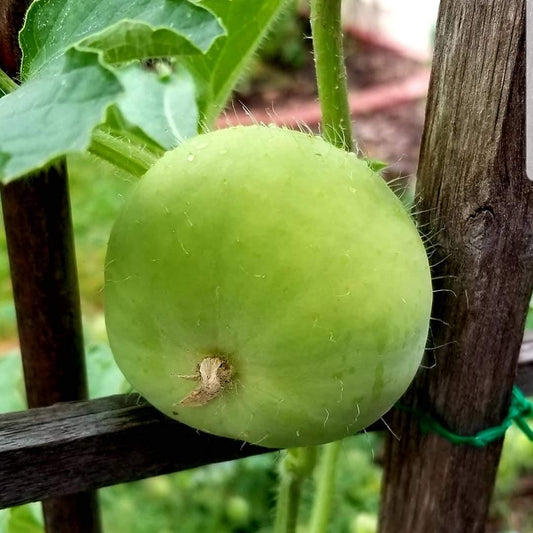
Tinda – F1 Hybrid Seeds
Regular price Rs.100.00Regular priceUnit price / perRs.150.00Sale price Rs.100.00Sale -
Squash Long – F1 Hybrid (Approx. 6–10 Seeds)
Regular price Rs.100.00Regular priceUnit price / perSale price Rs.100.00 -
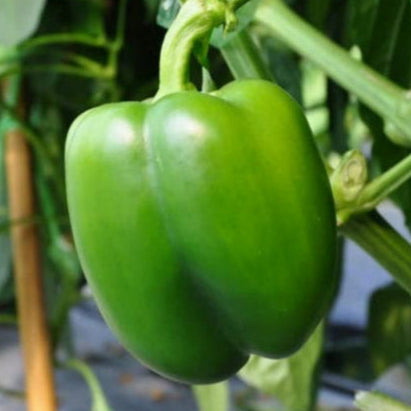
Capsicum Green – F1 Hybrid 25+ Seeds
Regular price Rs.100.00Regular priceUnit price / perRs.150.00Sale price Rs.100.00Sale -
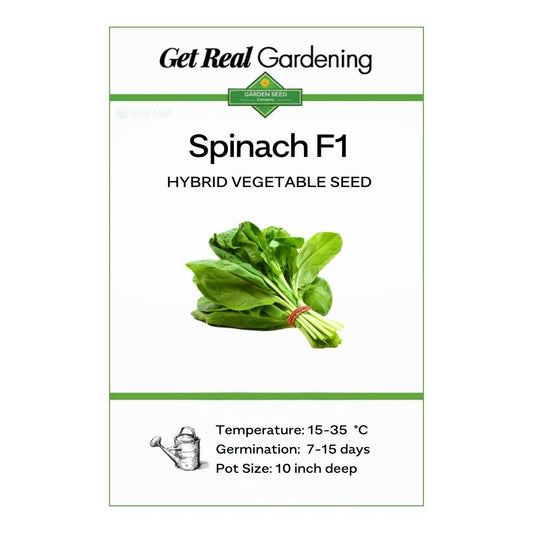
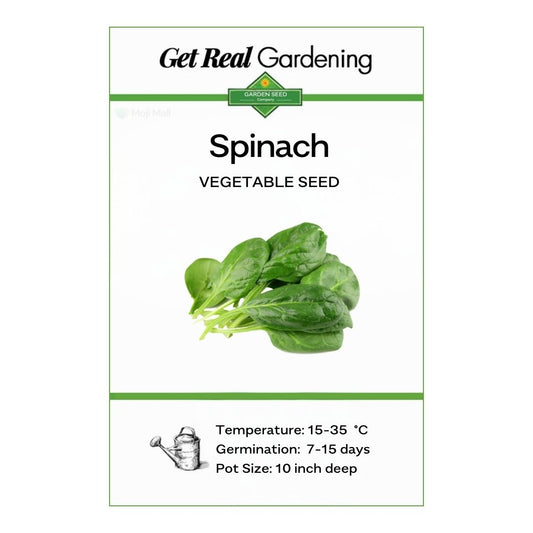
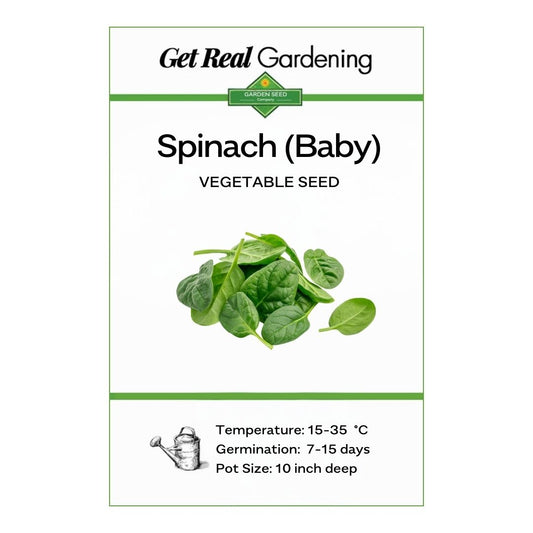
Spinach (دیسی پالک کے بیج) – 600+ Seeds
Regular price Rs.90.00Regular priceUnit price / perRs.100.00Sale price Rs.90.00Sale -
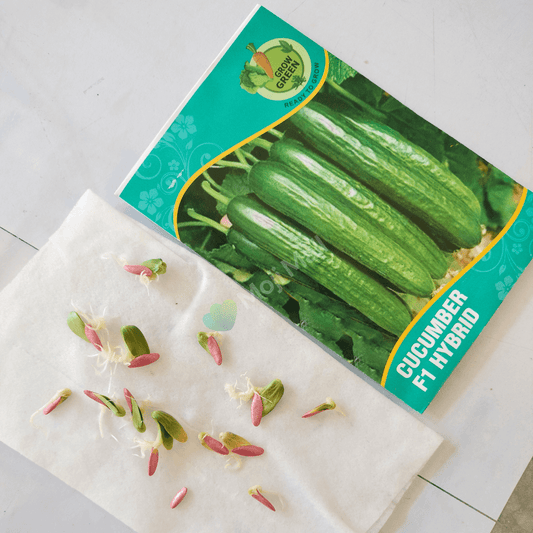
Cucumber – F1 Hybrid 10+ Seeds
Regular price Rs.120.00Regular priceUnit price / perRs.150.00Sale price Rs.120.00Sale -
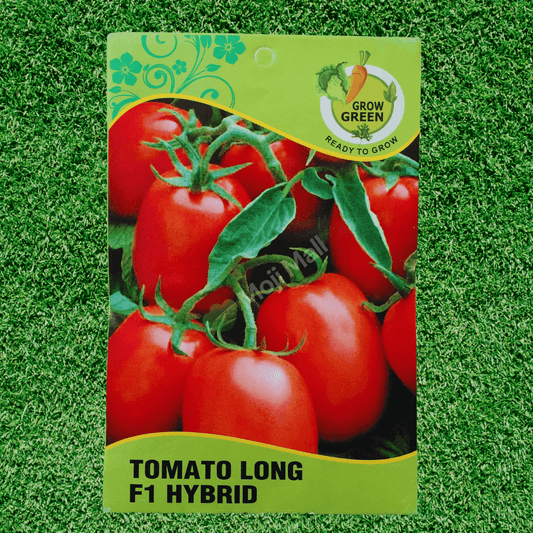
Tomato Round – F1 Hybrid 20+ Seeds
Regular price Rs.100.00Regular priceUnit price / perRs.150.00Sale price Rs.100.00Sale -
Tomato – 50+ Seeds
Regular price Rs.60.00Regular priceUnit price / perSale price Rs.60.00 -
Spinach – 200+ Seeds
Regular price Rs.60.00Regular priceUnit price / perSale price Rs.60.00 -
Coriander – 200+ Seeds
Regular price Rs.60.00Regular priceUnit price / perSale price Rs.60.00 -
Lady Finger – Seeds
Regular price Rs.60.00Regular priceUnit price / perSale price Rs.60.00 -
Tinda – 40+ seeds
Regular price Rs.60.00Regular priceUnit price / perSale price Rs.60.00 -
Peperone Lombardo – Franchi Seeds (Imported - Limited Stock)
Regular price Rs.700.00Regular priceUnit price / perSale price Rs.700.00 -
Coriander (دیسی دھنیا) – 500+ Seeds
Regular price Rs.90.00Regular priceUnit price / perRs.100.00Sale price Rs.90.00Sale -
Tomato Beef - 25+ Seeds
Regular price Rs.100.00Regular priceUnit price / perRs.150.00Sale price Rs.100.00Sale -
Peperone Corno di Toro Giallo – Royal Seeds (Imported - Limited Stock)
Regular price Rs.600.00Regular priceUnit price / perSale price Rs.600.00 -
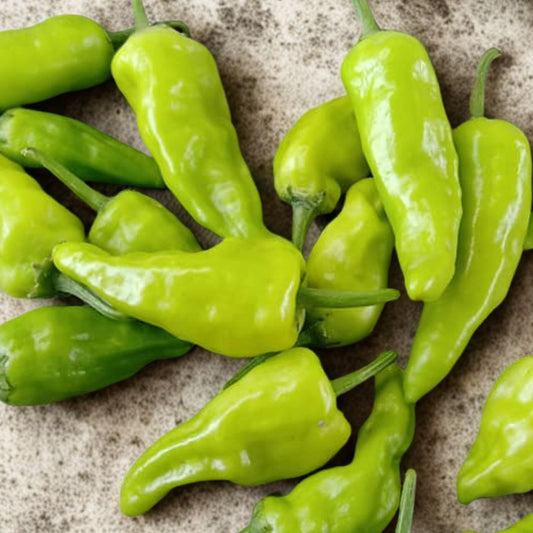
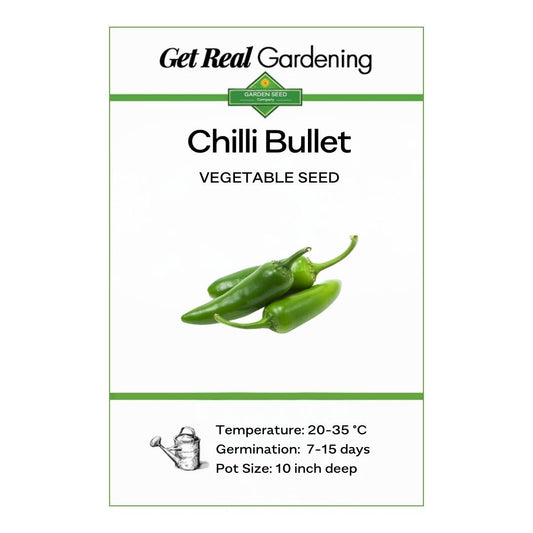
Chili Bullet – F1 Hybrid 20+ Seeds
Regular price Rs.120.00Regular priceUnit price / perSale price Rs.120.00 -
Bottle Gourd – F1 Hybrid Seeds
Regular price Rs.100.00Regular priceUnit price / perRs.150.00Sale price Rs.100.00Sale -
Kachnar (کچنار) – 20+ Tree Seeds
Regular price Rs.150.00Regular priceUnit price / perSale price Rs.150.00 -
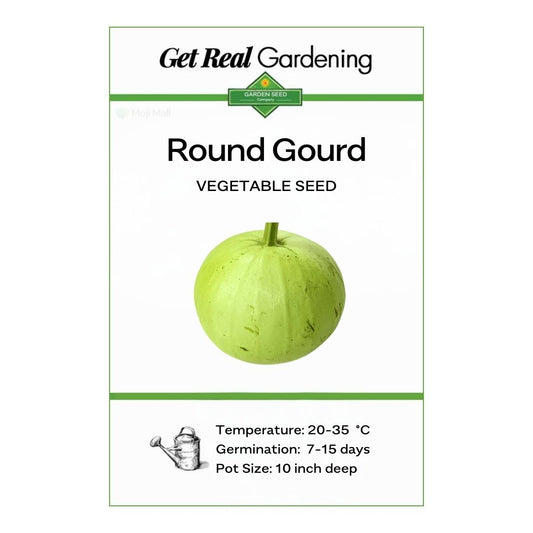
Round Gourd (دیسی کدو کے بیج) – 20+ Seeds
Regular price Rs.90.00Regular priceUnit price / perRs.100.00Sale price Rs.90.00Sale -
Chili (مرچ) – F1 Hybrid 20+ Seeds
Regular price Rs.120.00Regular priceUnit price / perRs.150.00Sale price Rs.120.00Sale -
Spinach Baby – F1 Hybrid 550+ Seeds
Regular price Rs.100.00Regular priceUnit price / perSale price Rs.100.00 -
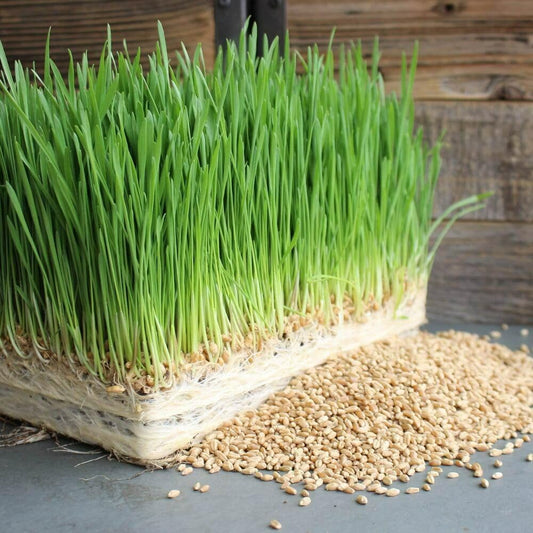
Sunflower: Microgreens Seeds
Regular price Rs.500.00Regular priceUnit price / perSale price Rs.500.00
Monsoon vegetable seeds (برسات کی سبزیوں کے بیج) are selected for sowing during Pakistan’s warm and rainy months. Bhindi, Karela, Lauki, Tori, Tinda, Cucumber, Guar and Malabar Spinach grow actively in warm conditions and can make good use of the moisture available during this season.
Tomato, Brinjal and Chilli can also be started during the monsoon, but their young seedlings need shelter from heavy rain and a planting position where excess water drains quickly. Ordinary Spinach and Coriander suit the milder end of the rainy season, especially after temperatures begin falling.
Choose Vegetables
| Growing Style | Suitable Choices | Recommended Setup |
|---|---|---|
| Upright plants | Bhindi and Guar | Pots, grow bags or sunny beds |
| Climbing gourds | Karela, Lauki, Tori and Cucumber | Large container with a strong trellis |
| Spreading vines | Tinda, Pumpkin and Ash Gourd | Wide bed, open ground or very large grow bag |
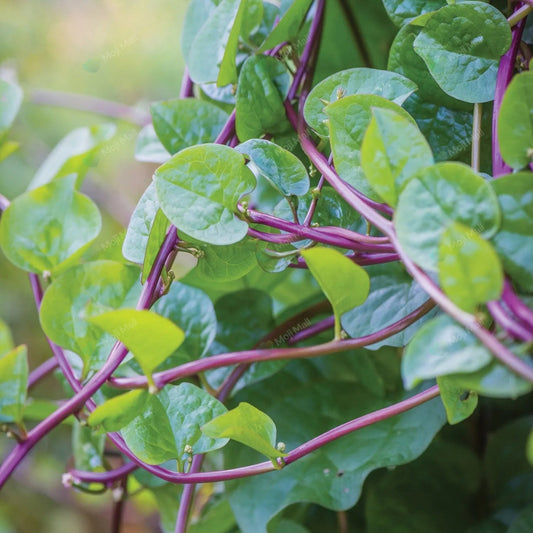
| Leafy climber | Malabar Spinach | Deep pot with vertical support |
| Tray-started plants | Tomato, Brinjal, Chilli and Capsicum | Protected tray followed by transplanting |
| Late-monsoon leaves | Spinach and Coriander | Wide pots or short rows during milder weather |
Choose according to the space available after the plant reaches full size. Bhindi grows upright and uses relatively little floor space, while Lauki, Pumpkin and Ash Gourd can send vines several feet beyond their planting position.
Direct Sowing
Bhindi or Lady Finger (بھنڈی) is one of the easiest choices for warm monsoon conditions. Its upright growth suits sunny pots, grow bags and garden beds. Desi and F1 varieties can both be sown directly in their final position.
Guar or Cluster Bean (گوار پھلی) also enjoys warmth and can grow in rows, wide containers or sunny beds. Its plants remain more manageable than long gourd vines and do not need a large overhead trellis.
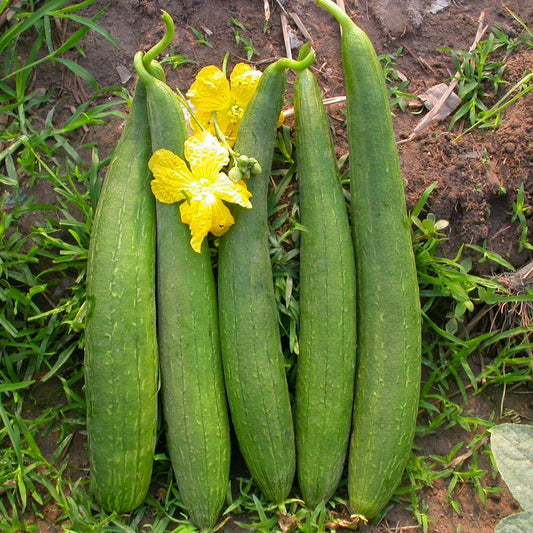
Karela (کریلا), Lauki (لوکی), Tori (توری), Tinda (ٹنڈا) and Cucumber or Kheera (کھیرا) can be direct-sown beside their final support. Their seedlings establish quickly in warm soil, provided the planting position does not remain flooded after rain.
Pumpkin and Ash Gourd need more room. They suit open ground, a large raised bed or a very large container placed beside an area where the vines can spread or climb.
Tray Starting
Tomato, Brinjal and Chilli are easier to manage when started in a seedling tray. A covered balcony, bright veranda or simple rain shelter protects the small seedlings from downpours while still allowing light and air to reach them.
Sow one or two seeds in each section and keep the growing mixture lightly moist. After germination, retain the stronger seedling and move it once several true leaves have developed.
Avoid leaving trays in standing water. Continuous wetness around the young stems can weaken seedlings before they are ready for transplanting.
A loose seed starter mix allows water to pass through while maintaining the steady moisture needed for germination. Move the seedlings into their final pots during a dry or lightly cloudy part of the day.
Sowing Time
In Lahore, Faisalabad, Islamabad and Rawalpindi, sow Bhindi, Guar, Karela, Lauki, Tori, Tinda and Cucumber from late June through August. Start Tomato, Brinjal and Chilli in protected trays during July and August for planting as severe heat begins easing.
In Karachi, July through September can suit warm-season vegetables when containers have excellent drainage. Protect newly sown pots from intense afternoon heat and sudden heavy rain. Ordinary Spinach and Coriander are more comfortable later, once temperatures become milder.
In southern Punjab, sow heat-loving vegetables from late June through August. During very hot periods, give small seedlings morning sunlight and some protection during the strongest afternoon heat.
In northern and hilly areas, the warm growing season is shorter. Bhindi, beans, Cucumber and smaller gourds can be sown from May through July after cold nights have passed. Choose varieties that have enough time to mature before autumn temperatures fall.
The start of monsoon varies each year. Use the weather in your area as the final guide and sow when warm conditions have arrived without placing seeds in saturated soil.
Rain Drainage
Rain can reduce routine watering, but it also creates the main challenge of monsoon gardening. Containers must release excess water quickly enough for air to remain around the roots.
Check every drainage hole before filling a pot or grow bag. Place containers on bricks, feet or a raised stand when water collects across the rooftop or floor.
Garden soil that becomes sticky and holds puddles can be improved by forming raised beds. The higher planting level allows excess rainwater to move away from the root area.
Fill containers with a loose potting mix containing organic matter and materials that maintain open spaces through the mixture. Do not press the surface firmly after sowing.
Containers under roof edges and balconies may receive less rain than exposed pots. Check the soil in each container before deciding whether it needs water.
How to Sow
- Fill the final container or prepared bed with loose, well-draining growing mixture.
- Sow Bhindi, beans and gourd seeds approximately ½ to 1 inch deep, according to their size.
- Sow Tomato, Brinjal, Chilli and Capsicum seeds approximately ¼ inch deep in protected trays.
- Water gently and place newly sown containers where heavy rain cannot disturb the surface.
- Thin or transplant the seedlings once they have developed healthy true leaves.
Sowing two seeds at each final position provides a backup where packet quantity allows. Keep the stronger seedling after both have emerged.
Pots and Beds
One Bhindi, Brinjal, Chilli or compact Tomato plant can grow in a 12 × 12-inch HDPE grow bag. A 14 × 12-inch fabric bag or larger container gives Brinjal and Tomato more room as their roots and branches develop.
Use an 18 × 6-inch Kiyari grow bag for a short row of Guar. The same wide format can hold several young leafy plants when spacing is adjusted for the selected vegetable.
Tinda and Cucumber benefit from an 18 × 15-inch HDPE bag or a 10 to 15-gallon fabric grow bag. Give each container its own trellis or allow the vine to spread into an open area.
Lauki, Karela, Tori, Pumpkin and Ash Gourd develop stronger and longer vines. Use a 15-gallon grow bag, a large raised bed or open ground for each plant. Larger containers maintain moisture more evenly and provide a firmer base for heavy support.
Malabar Spinach can begin in a 12 × 12-inch grow bag. A 14 × 14-inch or larger container gives an established vine additional space for repeated leaf picking.
Strong Support
Install support when sowing gourds and climbing leafy vegetables. Adding a large frame after the roots have spread can disturb the planting area.
Karela, Tori and Cucumber can climb a vertical trellis approximately 5 to 7 feet high. Lauki, Pumpkin and Ash Gourd benefit from a strong overhead frame, fence or broad structure that can carry longer vines and developing vegetables.
Guide the first stems gently towards the support. Once the tendrils begin holding the frame, spread new growth across the available width.
Use strong wire, rope, bamboo or metal supports for heavy vines. Secure rooftop structures carefully because wet foliage and developing gourds add weight during windy weather.
Malabar Spinach also climbs by twining around support. A narrow trellis, net or railing is usually enough for one plant.
Plant Care
- Sunlight: Around 6 to 8 hours for most fruiting vegetables
- Soil: Loose growing mixture with fast drainage and organic matter
- Watering: Check the soil after rain and water only when needed
- Spacing: Leave room for airflow between mature leaves
- Feeding: Apply compost or a balanced fertilizer during active growth
- Support: Provide firm trellises for gourds and Malabar Spinach
- Picking: Collect Bhindi, beans, Cucumber and gourds while tender
Water around the base during dry periods. Morning watering gives the leaves and soil surface time to dry as the day becomes warmer.
Tall Tomato and Brinjal plants may need stakes, especially in exposed rooftop gardens. Tie the stems loosely so they remain supported without being squeezed as they thicken.
Bhindi, Guar, Cucumber and gourds respond well to regular picking. Check the plants frequently because warm, humid weather can help vegetables increase in size quickly.
Humid Weather
Monsoon humidity keeps leaves wet for longer periods. Give each plant enough space and guide climbing vines across the trellis so their leaves are not packed into one dense section.
Remove yellowing leaves and any older foliage resting on wet soil. Keep fallen leaves and damaged vegetables away from the base of the plants.
Inspect the undersides of leaves for whiteflies, aphids, mites and other small insects. Gourd vines should also be checked for beetles and signs of fruit-fly damage.
Brown spots, white powdery patches and rapidly yellowing leaves can spread more easily during humid weather. Remove badly affected foliage, improve airflow and use a suitable treatment early when the problem continues.
Protect young plants from prolonged downpours with a clear overhead cover that remains open at the sides. This reduces the force of rain while allowing heat and moisture to escape.
Browse the collection to buy monsoon vegetable seeds online in Pakistan for rainy-season pots, grow bags, trellises, raised beds and home gardens.
Find More
Explore summer vegetable seeds for the wider warm-season range or visit monsoon seeds and bulbs for rainy-season vegetables, flowers and other planting choices.
You can compare hybrid vegetable seeds with desi vegetable seeds or browse the complete vegetable seed collection.
For planting supplies, explore grow bags, seedling trays and potting mixes.
FAQs
Why are my gourd vines flowering without forming vegetables?
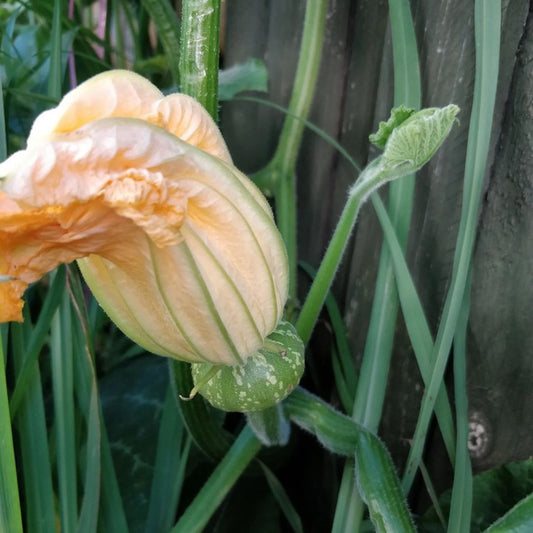
Gourd vines commonly produce male flowers before female flowers appear. Rain can also reduce insect activity during flowering. When both flower types are present, pollen can be transferred by hand during the morning using a soft brush or a freshly opened male flower.
Why do Bhindi pods become hard so quickly?
Bhindi pods become fibrous when they remain on the plant for too long. Check the plants every one or two days and pick the pods while they are still young and tender.
Why are Tomato or Chilli seedlings falling over?
Young seedlings can develop stem problems when their growing mixture remains continuously wet and air movement is poor. Keep trays under a rain shelter, use clean seed-starting mix and allow the surface to begin drying between watering.
Can seeds be saved from monsoon vegetables?
Healthy, fully mature seeds can be saved from many desi and open-pollinated vegetables. Seeds collected from F1 hybrids may grow, but the next plants can differ in size, shape, colour or performance.
When should I begin sowing winter vegetables?
In northern and central Punjab, winter sowing commonly begins from September into October as nights become cooler. Karachi and southern areas usually begin later, from October into November. Watch local temperatures because the change from monsoon to winter conditions differs by region.