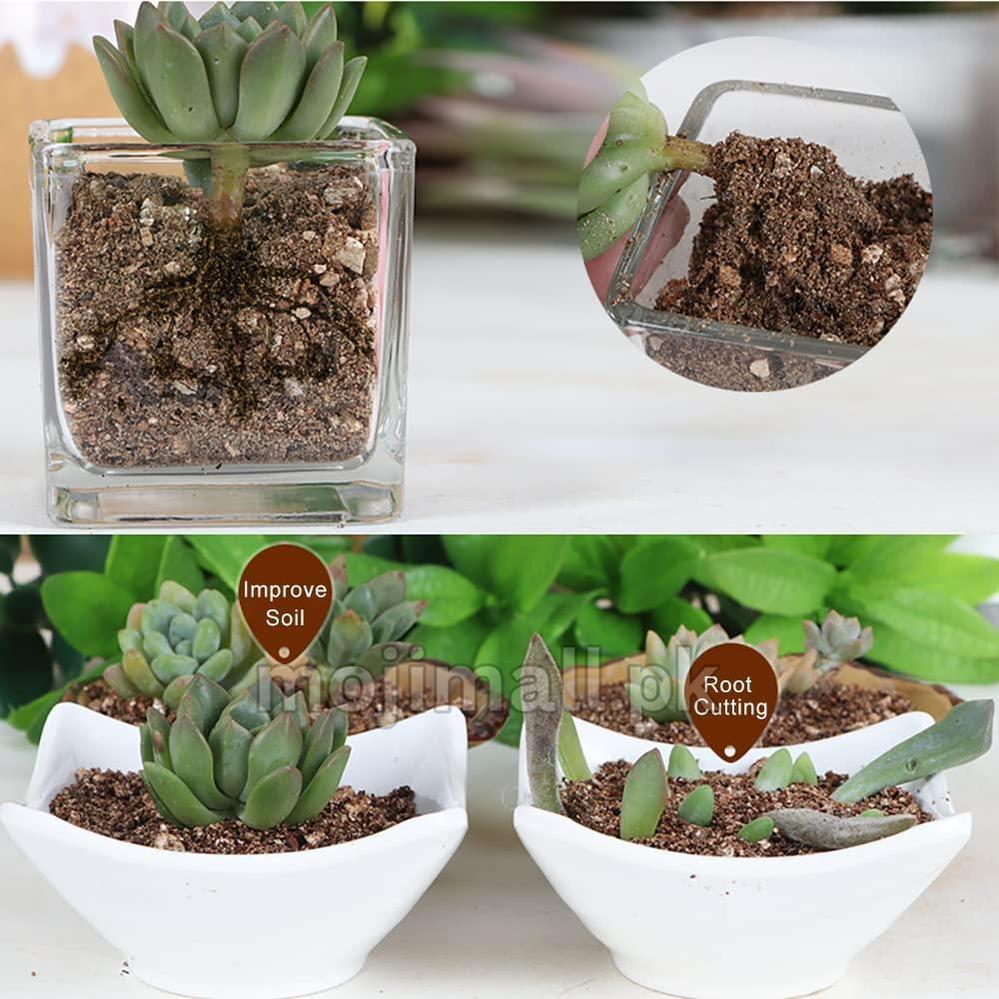
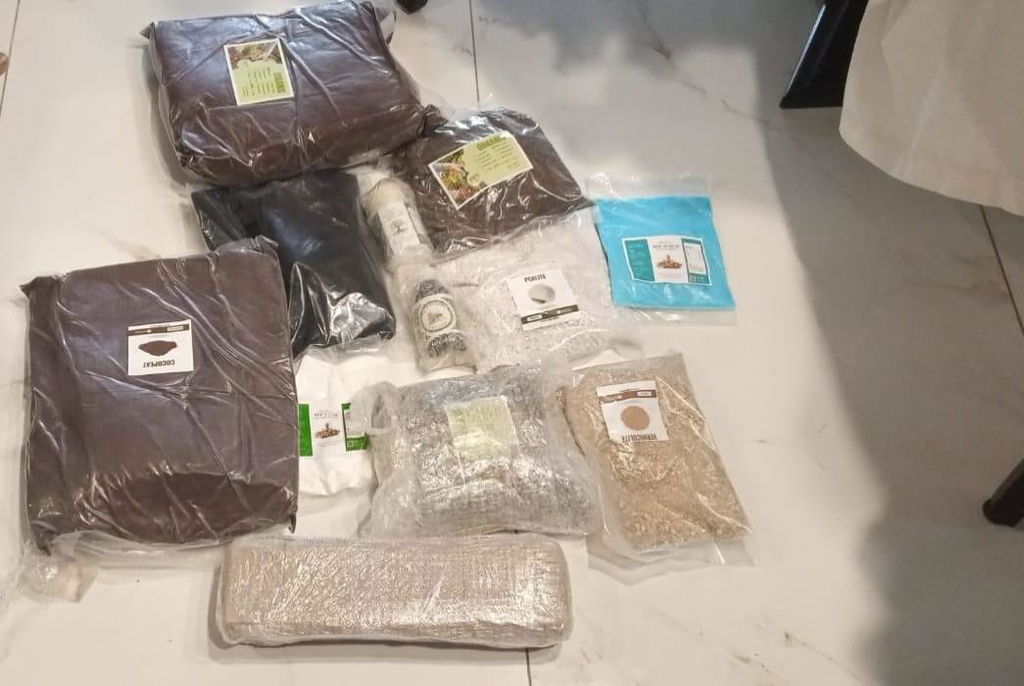
Vermiculite is a lightweight mineral-based potting amendment that helps a growing mixture retain moisture while maintaining space around developing roots. It is especially useful for seed starting, young plants and containers that dry out too quickly.
This imported Gulf vermiculite can be mixed with potting soil, compost and other growing media. It absorbs water and dissolved nutrients, then releases them gradually as the surrounding mixture begins to dry.
Why Use It
- Helps potting mixtures retain moisture
- Supports even moisture around germinating seeds
- Keeps seed-starting mixtures light and workable
- Holds dissolved nutrients within the root area
- Useful for pots, seed trays and propagation
- Can be combined with other potting ingredients
Vermiculite is not a fertilizer and does not replace plant food. Its main purpose is to improve the physical properties of a growing mixture.
Product Details
| Detail |
Information |
| Material |
Expanded mineral-based growing medium |
| Origin |
Imported Gulf |
| Available packs |
1 litre, 5 litres and 10 litres |
| Main function |
Moisture and nutrient retention |
| Suitable for |
Seed trays, pots, propagation and potting mixtures |
| Application |
Mixed into the growing medium or used as a light seed covering |
| Reusability |
May be reused when clean and free from pests or disease |
How Vermiculite Helps Plants
The layered particles absorb water and hold it within the growing mixture. This can reduce rapid drying and provide young roots with more consistent access to moisture.
Vermiculite also holds some dissolved nutrients that might otherwise drain away during watering. These nutrients remain available within the root area instead of being washed out immediately.
Although vermiculite helps keep a mixture light, it retains considerably more moisture than perlite. The correct amount therefore depends on the plant, season and other ingredients in the mixture.
How to Use
- Measure the vermiculite according to the amount of growing medium being prepared.
- Mix it evenly through the soil, compost or potting medium.
- Use approximately 10–20% vermiculite for a general container mixture.
- Water the completed mixture thoroughly and allow excess water to drain.
- Adjust future watering according to how quickly the mixture dries.
The recommended percentage is a general starting point. Plants that prefer drier soil may need less, while moisture-loving plants and seedling mixtures may benefit from a higher proportion.
Seed Starting
Mix vermiculite into a light seed-starting mixture to help maintain even moisture around germinating seeds.
A thin layer may also be sprinkled over seeds after sowing. Do not cover very small seeds too deeply, especially varieties that need light for germination.
Mist the tray gently after sowing. Vermiculite can help reduce rapid surface drying, but seed trays should still be checked regularly and must not be left waterlogged.
Potting Mixtures
For most container plants, begin with approximately one part vermiculite to four or more parts of the remaining potting ingredients.
Combine it with materials such as:
- Potting soil
- Compost
- Coco peat
- Pine bark
- Perlite
- Other plant-specific growing media
Vermiculite works particularly well in mixtures that dry too quickly. If the existing soil already stays wet for a long time, use a smaller amount and add a drainage-focused material where appropriate.
Propagation
Vermiculite can be included in a propagation mixture for rooting plant cuttings. Its moisture-holding ability helps protect tender new roots from drying too quickly.
For better structure, combine it with another clean growing medium instead of using a tightly packed layer. Keep the mixture moist but allow unwanted water to drain from the container.
Garden Soil
Vermiculite may be mixed into the planting area of sandy soil to improve moisture retention. Concentrate it around the active root zone instead of spreading a small amount across a very large area.
In heavy soil that already drains slowly, vermiculite should be used carefully. It will not correct blocked drainage or permanently compacted ground by itself.
Watering Tips
- Check the growing mixture before watering instead of following a fixed daily schedule.
- Reduce watering frequency if the mixture remains moist for longer than expected.
- Always use pots and trays with open drainage holes.
- Avoid leaving containers standing in collected water.
- Use less vermiculite for plants that prefer dry conditions.
- During humid or rainy weather, allow the upper layer to begin drying before watering again.
In hot and dry conditions, vermiculite can help a potting mixture hold moisture for longer. During the monsoon, careful watering and open drainage become more important because the same mixture may dry more slowly.
Storage
Keep unused vermiculite in a closed bag or container in a clean, dry place. Protect it from rain, dirty water, pests and contamination.
Avoid creating unnecessary dust while pouring or mixing it. Work in a ventilated area and lightly dampen very dusty material before use.
FAQs
Is vermiculite a fertilizer?
No. Vermiculite is a mineral-based growing medium that helps retain moisture and nutrients. Plants may still require compost or an appropriate fertilizer according to their growth stage.
What is the difference between vermiculite and perlite?
Vermiculite holds more moisture and is commonly used for seed starting and moisture-retentive potting mixtures. Perlite holds less water and is used mainly to increase drainage and air space. The two materials can be combined when both moisture retention and drainage are needed.
Can plants grow in vermiculite alone?
Vermiculite may be used alone for short-term seed germination or propagation, but it does not provide complete nutrition for long-term plant growth. Established plants normally need it combined with other suitable growing-media ingredients.
Can vermiculite be reused?
Clean vermiculite may be reused after old roots and debris have been removed. Do not reuse material from plants affected by root disease, serious pest problems or unknown contamination.
Does vermiculite expire?
Vermiculite does not decompose like compost because it is a mineral. It can remain usable for a long time when stored clean and dry. Discard it if it has become contaminated or mixed with diseased plant material.