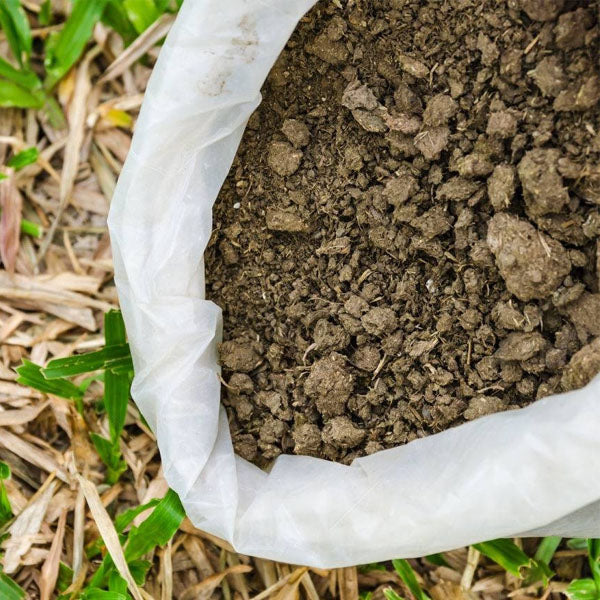
Cow Dung Compost, commonly known as Gobar Ki Khaad (گوبر کی کھاد), is decomposed organic matter used to improve garden soil and potting mixtures. It adds organic material, supports beneficial soil activity and helps sandy or compacted soil maintain a better balance of moisture and air around plant roots.
Use it when preparing pots, grow bags, raised beds or planting areas for vegetables, herbs, flowers, fruit plants and ornamentals. Unlike raw manure, properly decomposed cow dung compost is intended to be mixed into soil or applied around established plants in measured amounts.
Why Gardeners Choose It
- Adds organic matter to tired or low-quality garden soil
- Helps improve soil structure, moisture retention and aeration
- Provides gradual, mild nutrition as it continues to break down
- Supports beneficial microorganisms in healthy soil
- Suitable for pots, grow bags, beds and established plants
Suitable For
- Vegetables and leafy greens
- Herbs and flowering plants
- Fruit plants and young trees
- Roses and ornamental plants
- Pots, containers and grow bags
- Raised beds and home-garden soil
- Preparing soil before seasonal planting
How to Use Cow Dung Compost
For Pots and Grow Bags
Mix approximately 10% to 20% compost by volume with garden soil and drainage ingredients. For many container plants, one part cow dung compost with four to eight parts of the remaining potting mixture is sufficient.
Do not fill a container entirely with cow dung compost. It is an amendment and mild fertilizer, not a complete potting medium. The finished mixture must still drain properly.
For Existing Potted Plants
Apply a thin layer around the outer part of the pot, keeping it away from the main stem. Mix it lightly into the upper soil and water normally. Use a smaller amount for young plants and small containers.
For Garden Beds
Spread approximately 1 to 2 kg per square metre and mix it into the upper 4 to 6 inches of soil before planting. Poor or sandy soil may benefit from regular moderate applications instead of one excessively heavy application.
For Established Trees and Shrubs
Spread compost beneath the outer canopy where feeder roots are active. Keep it several inches away from the trunk, mix it lightly into the surface and water afterward.
For Seed Starting
Use only a small quantity of fine, fully decomposed compost in a seed-starting mixture. Too much compost can hold excessive moisture or expose delicate seedlings to high nutrient and salt levels. A prepared seed-starting mix is safer for small or sensitive seeds.
When to Apply
Cow dung compost can be mixed into soil before planting or applied around actively growing plants. For general maintenance, a light application every few months is usually more suitable than frequent heavy feeding.
Reduce application during severe heat, dormancy or periods when pots remain continuously wet. Do not apply concentrated compost directly around damaged, wilted or recently disturbed roots.
Local Gardener Tips
- In Karachi and other humid areas, combine compost with drainage materials such as perlite, pumice or rice husk to prevent the potting mixture from staying wet for too long.
- In Lahore, Faisalabad, Multan and southern Punjab, compost can help sandy soil retain moisture, but plants still need deep and timely watering during hot weather.
- In Islamabad, Rawalpindi and colder northern areas, apply according to active plant growth and reduce feeding when plants slow down in winter.
- Mix compost through the soil instead of leaving a thick, wet layer pressed against stems or trunks.
Cow Dung Compost vs Vermicompost
Cow dung compost is useful for adding bulk organic matter and improving the overall condition of soil. Vermicompost is processed by earthworms and usually has a finer texture, making it convenient for smaller containers, seedlings and measured top dressing.
Both can be part of the same garden plan, but applying each at full quantity is unnecessary. Adjust the total amount of organic fertilizer when combining them.
Important Precautions
- Do not place concentrated compost against stems, trunks or delicate roots.
- Avoid excessive application in small pots and seedling trays.
- Keep the bag sealed and store it in a cool, dry place away from food.
FAQs
Is cow dung compost the same as raw cow manure?
No. Raw manure is fresh animal waste and may contain excessive ammonia, salts, weed seeds or harmful microorganisms. Cow dung compost has undergone decomposition before being used as a soil amendment.
Does cow dung compost replace NPK fertilizer?
Not always. It supplies gradual nutrition and improves soil condition, but its nutrient content is not as precise as a labelled NPK fertilizer. Plants with heavy feeding requirements may still need a measured nutrient programme.