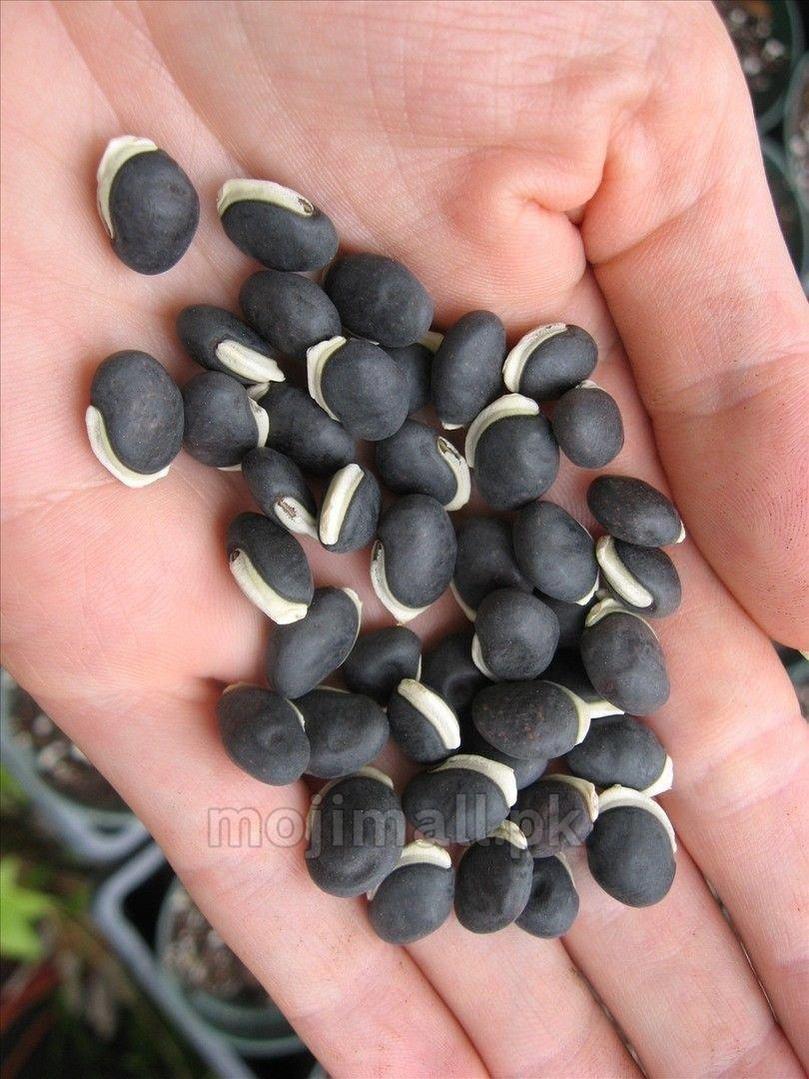
Hyacinth Bean Vine (White) produces upright clusters of fragrant, pea-shaped white flowers above broad green foliage. Its twining stems climb through trellises, fences and garden arches, creating a leafy backdrop with flowers standing above the leaves.
Also called Lablab or Dolichos Bean, this vigorous climber grows well during warm weather. Plant it beside an entrance, along a sunny fence or in a large pot with a sturdy support for a vertical garden display.
Why Gardeners Love It
-
White Flower Clusters: The flowers stand out clearly against the green foliage.
-
Fragrant Blooms: Adds a gentle fragrance near patios and garden seating.
-
Leafy Cover: Helps cover open fences, screens and climbing frames.
-
Warm-Weather Growth: Develops quickly once the weather and soil are warm.
-
Decorative Pods: Flat bean pods add interest after the flowers fade.
Best Conditions
-
Germination: Usually 7–14 days
-
Germination temperature: Around 20–30°C
-
Sunlight: At least 6 hours of direct sunlight
-
Pot size: A 14–16-inch pot for one vine, with good drainage
-
Spacing: About 12 inches between plants
-
Vine length: Around 10–20 feet with support and a long warm season
-
Support: A sturdy trellis, fence, arch or climbing frame
-
Soil: Moist, moderately fertile and well-draining mix
Sowing note: In Lahore, Faisalabad, Islamabad and Rawalpindi, sow from March to April once the weather has warmed and frost risk has passed. In Karachi and warmer parts of southern Punjab, sow from February to March. In colder northern and hilly areas, sow from April to May once the soil is warm. A spring start gives the vine more time to establish before flowering.
How to Sow
- Soak the seeds in clean water for around 12 hours, then drain.
- Fill individual small pots with fine, moist seed starter mix.
- Sow one seed per pot around ½ inch deep and cover lightly.
- Water gently and keep the mix lightly moist until seedlings appear.
- Gradually introduce established seedlings to outdoor conditions over 7–10 days.
- Transplant with the root balls intact once seedlings have several true leaves.
Seeds can also be sown directly beside their final climbing support.
Plant Care
Water at the base and keep the root area evenly moist during active growth. Allow the upper layer of the mix to begin drying before watering again. Guide young stems onto the support and use loose ties where needed. Trim shoots that begin spreading into neighbouring plants.
Mix a small amount of Vermicompost into the soil before planting. Check tender shoots and leaf undersides for aphids and other sucking insects. If needed, apply Neem Oil according to its label, keeping the spray away from open flowers.
Local Gardener Tips
- Secure climbing frames firmly before the vine becomes heavy.
- Protect newly transplanted seedlings from harsh afternoon heat.
- Keep pot drainage holes clear during monsoon rain.
- Give rooftop pots shelter from strong, drying winds.
- Guide the stems away from small shrubs and nearby flowering plants.
Flowering and Display
The white flower clusters rise above the foliage, making them easy to see even when the vine has formed dense leafy cover. Position the support where the flowers can be enjoyed from a pathway, balcony or sitting area.
Allow some pods to remain for an additional decorative feature. Remove unwanted pods before they mature if you do not want seeds dropping into nearby pots or beds.
FAQs
Will it climb a plain wall?
The stems climb by twining around supports. For a plain wall, provide trellis panels, wires or mesh that the stems can wrap around.
Will the vine grow again next year?
It can persist in warm, frost-free conditions, but gardeners in colder areas usually grow it as an annual and sow fresh seeds the following spring.
Are the beans suitable for eating?
Hyacinth Bean is used as a food plant in some regions, but mature seeds contain toxic compounds and require specific preparation. This listing is for ornamental growing. Do not eat the seeds raw.
Common names: White Hyacinth Bean, White Lablab, Dolichos Bean, Indian Bean, Lablab purpureus, Dolichos lablab