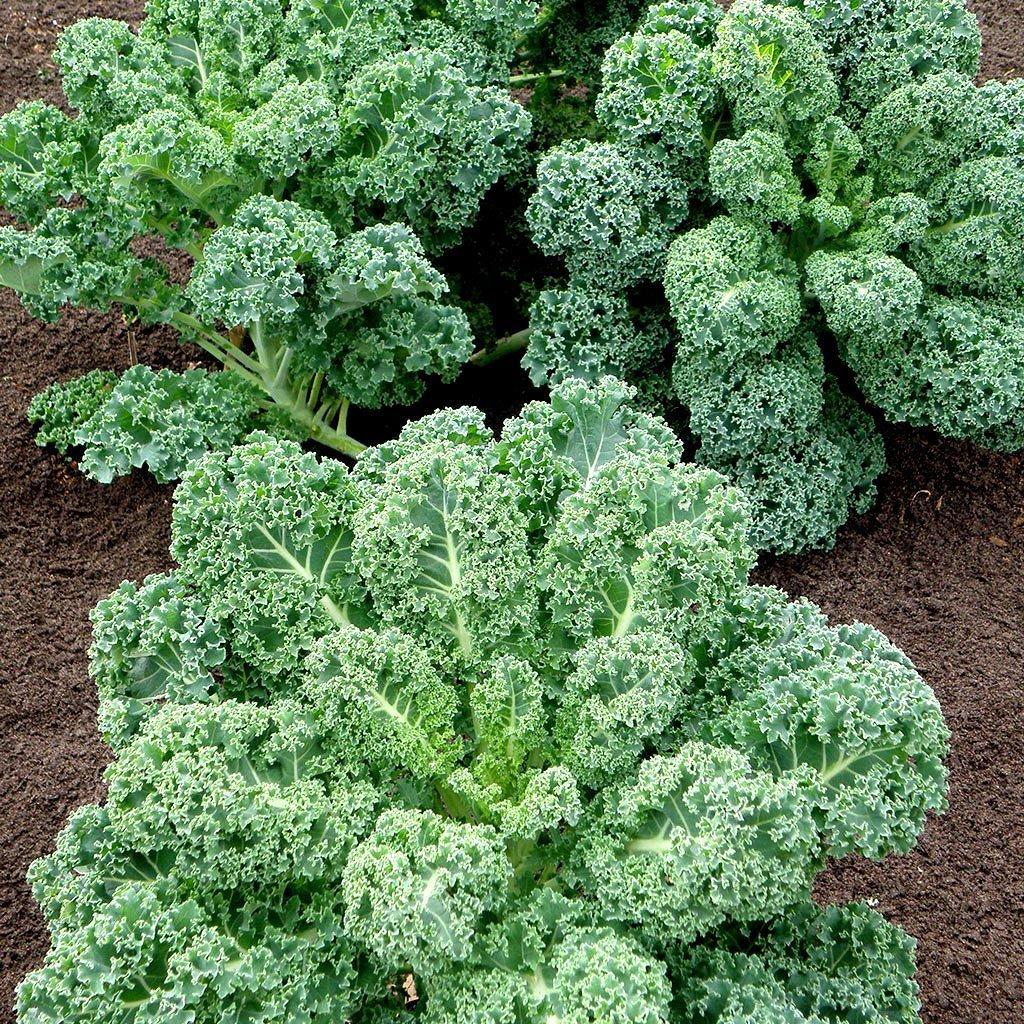
Curly Kale produces deeply ruffled green leaves with a fresh, cabbage-like flavour that becomes milder during cool weather. Use the leaves in saag, soups, stir-fries, omelettes, rice, paratha fillings, salads and smoothies.
Kale was developed from wild cabbage native to the Atlantic coasts of western Europe. Unlike regular cabbage, Curly Kale does not form a tight head. It continues producing open leaves around a central growing point.
Why Grow It
-
Mild Flavour: Fresh cabbage-like taste that becomes milder in cool weather.
-
Different Uses: Suitable for cooked dishes, salads and smoothies.
-
Long Season: Plants can provide leaves throughout the cooler months.
-
Pot Friendly: One plant grows well in a suitable container.
Best Conditions
-
Germination: Usually 4–10 days
-
Temperature: Around 10–25°C
-
Sunlight: At least 5–6 hours
-
Pot size: A 12–14-inch pot
-
Spacing: About 12–18 inches between plants
-
Plant height: Usually around 18–36 inches
-
Soil: Moist, fertile and well-draining mix
In Lahore, Faisalabad, Islamabad and Rawalpindi, sow from September to November. In hotter areas such as Karachi and southern Punjab, sow from October to January once the strongest summer heat has eased. In colder northern and hilly areas, sow from March to April, after the risk of hard frost has passed.
How to Sow
- Fill a tray or small pot with fine, moist seed starter mix.
- Sow the seeds around ¼–½ inch deep.
- Water gently and keep the mix lightly moist in a bright place.
- Transplant when the seedlings have 3–4 true leaves.
- Place one plant in each pot or leave 12–18 inches between plants.
Plant Care
Keep the potting mix evenly moist while new leaves are developing. Do not allow the roots to remain in standing water. Remove damaged or yellow lower leaves and provide afternoon shade when temperatures begin to rise.
Mix a small amount of Vermicompost into the potting mix before planting. Add another small amount after 4–6 weeks if the plant is being harvested regularly.
Check underneath the leaves for insect eggs, aphids and small green caterpillars. Remove eggs and caterpillars by hand. If aphids appear, spray Neem Oil on the affected leaves, including their undersides.
Local Gardener Tips
- Protect young seedlings from strong watering and heavy rain.
- Use a fine insect net to keep cabbage butterflies away.
- Provide afternoon shade when the weather becomes warm.
- Do not let the potting mix dry completely.
- Remove old lower leaves to improve airflow around the plant.
Harvesting
Baby leaves can be picked after around 30 days. Full-sized leaves are usually ready within 55–75 days. Harvest the lower outer leaves when they are around 5–8 inches long and leave the smaller central leaves to continue growing.
Young leaves can be eaten fresh. Mature leaves are firmer and usually taste better when cooked. Remove the thick central stem if it feels tough, then chop the leaves for saag, soups, stir-fries or other dishes.
FAQs
Why are there holes in the leaves?
Small green caterpillars, cabbage loopers or slugs commonly chew kale leaves. Check underneath the leaves and around the pot, then remove the pests by hand.
Why do the leaves taste bitter or feel tough?
Hot weather, dry soil and leaving the leaves on the plant for too long can make them tougher and stronger in taste. Keep the soil moist and harvest younger leaves regularly.
Will frost damage Curly Kale?
Established plants usually tolerate light frost, and cooler weather can improve the flavour. Protect young seedlings and container plants from severe frost.
Common names: Curly Kale, Curled Kale, Green Curly Kale, Scotch Kale, Borecole