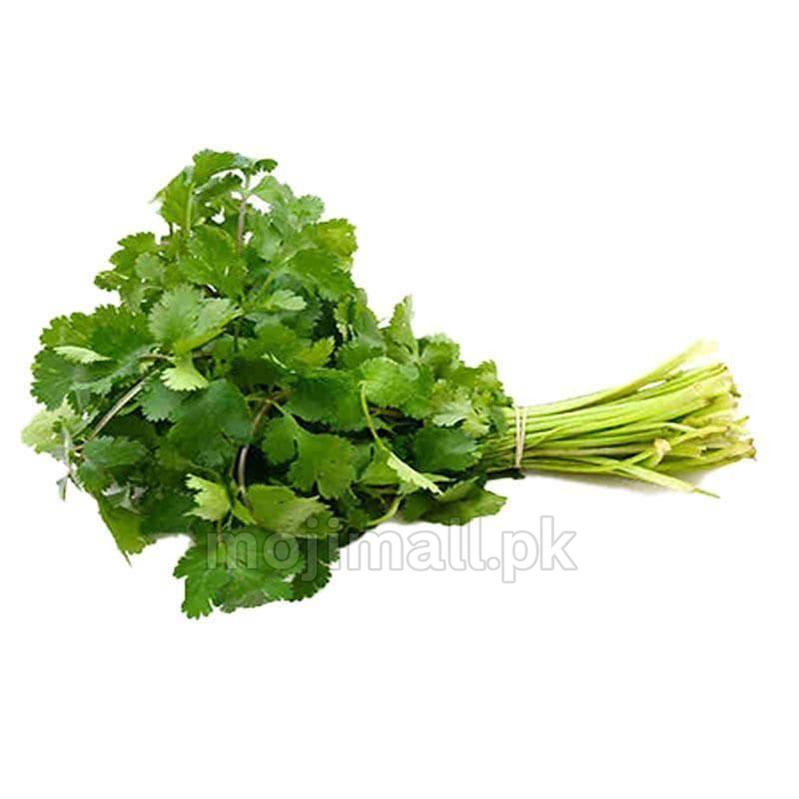
Coriander produces fresh green leaves for everyday cooking and aromatic seeds that can be collected later. Chop the leaves into chutneys, raita, salads, curries, daal, rice, chicken and vegetable dishes. Add them near the end of cooking for their freshest taste.
Native from the eastern Mediterranean to western Pakistan, coriander has been used across the region for centuries. It grows quickly during cool weather, while repeated sowing keeps fresh leaves available throughout the season.
Why Grow It
-
Everyday Herb: Fresh leaves can be added to many home-cooked dishes.
-
Fresh Flavour: Home-grown leaves have a bright, refreshing taste.
-
Quick Harvest: Leaf picking can usually begin within 3–5 weeks.
-
Leaves and Seeds: Harvest fresh leaves or allow selected plants to form coriander seeds.
-
100g Pack: Suitable for repeated sowing in pots, grow bags and garden beds.
Best Conditions
-
Germination: Usually 7–21 days
-
Temperature: Around 10–25°C
-
Sunlight: At least 4–6 hours
-
Pot size: A container at least 8–10 inches deep
-
Spacing: About 2–3 inches for leaves
-
Plant height: Usually around 12–36 inches
-
Soil: Moist, moderately fertile and well-draining mix
In Lahore, Faisalabad, Islamabad and Rawalpindi, sow from September to March. In hotter areas such as Karachi and southern Punjab, sow from October to March once the strongest heat has eased. In colder northern and hilly areas, sow from March to May, or from August to September for an autumn harvest.
How to Sow
- If the round seed clusters are whole, gently rub them between your palms to separate some into halves.
- Prepare a garden bed or wide container with fine, moist soil.
- Sow the seeds around ½ inch deep and 1–2 inches apart.
- Cover lightly and water with a gentle spray.
- Thin crowded seedlings to around 2–3 inches apart for leafy growth.
Plant Care
Keep the soil lightly moist while the seeds are germinating. Once the plants are established, water when the upper soil begins to dry. Avoid leaving the roots in constantly wet soil.
Mix a small amount of Vermicompost into the soil before sowing. Add another small amount after the first major cutting if new growth appears slow. Avoid heavy feeding because it can weaken the flavour.
Check the leaves for aphids, leaf miners and spider mites. Remove badly damaged leaves and spray Neem Oil on affected growth, including the undersides of the leaves.
Local Gardener Tips
- Sow directly where the plants will grow because coriander dislikes root disturbance.
- Sow a small new batch every 2–3 weeks for regular picking.
- Use removed seedlings in chutneys, salads and cooking.
- Provide afternoon shade when temperatures begin rising.
Harvesting
Begin harvesting when the plants are around 4–6 inches tall, usually 3–5 weeks after sowing. Cut the larger outer stems around 1–2 inches above the soil and leave the central growth in place.
Use the leaves soon after picking for their best flavour. To collect coriander seeds, leave a few well-spaced plants uncut. Allow them to flower and wait until the seed heads become dry and brown. Cut the stems into a paper bag and let the seeds finish drying before storage.
FAQs
Why are the seeds germinating unevenly?
Each round coriander seed contains two seeds beneath a firm outer covering. Germination may be uneven if the seed clusters remain whole, the soil dries out or temperatures become too warm.
Why are the upper leaves thin and feathery?
Coriander naturally produces finer upper leaves as it prepares to flower. The flavour also becomes stronger at this stage. Harvest the remaining broad leaves and keep sowing new batches for fresh growth.
Why are the leaves turning yellow?
Constantly wet soil, poor drainage and overcrowding can cause yellow leaves. Allow surplus water to drain and thin crowded plants to improve airflow.
Can Coriander grow indoors?
Yes. Place the container near a sunny window receiving at least 4–6 hours of direct sunlight. Weak light may produce long, thin stems with fewer leaves.