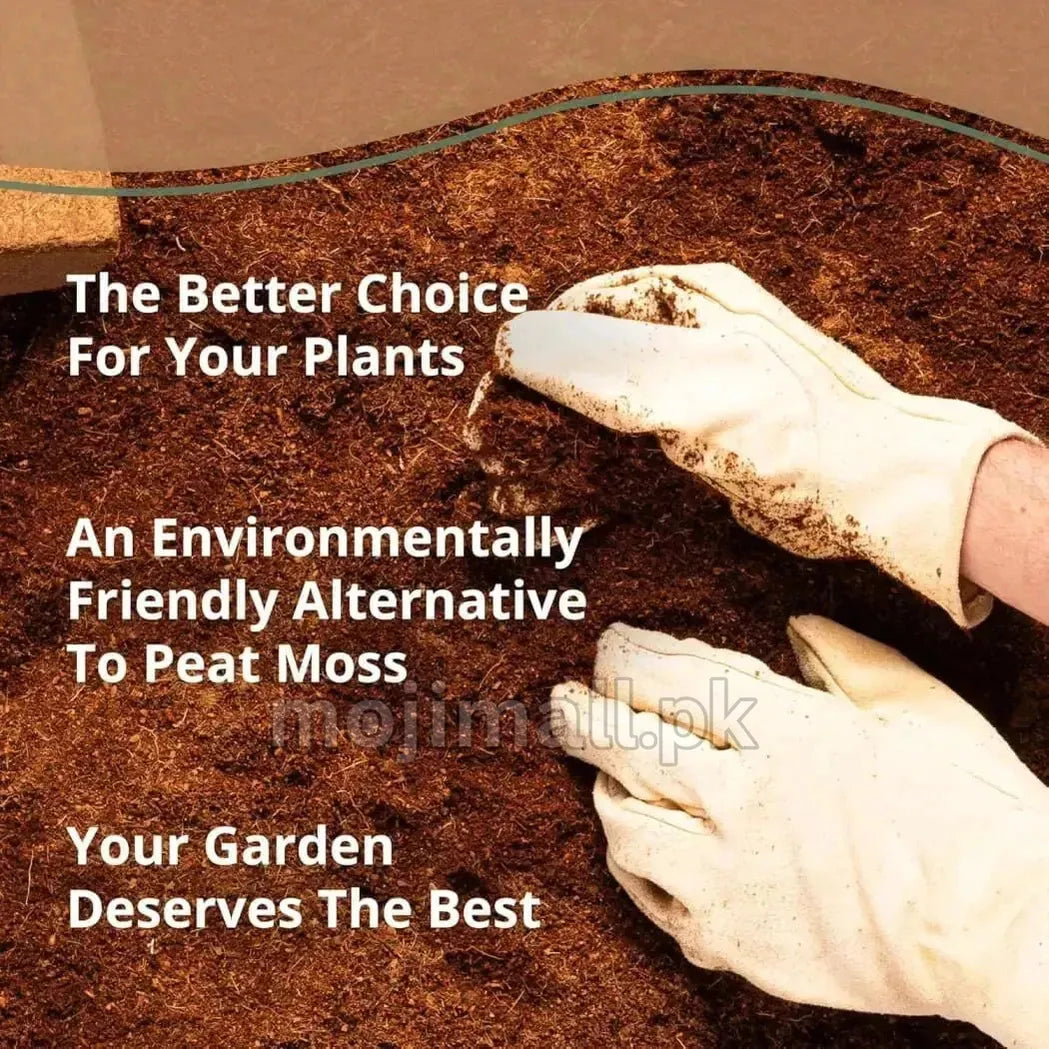
Coco Peat Block is a compressed potting medium made from the fine material found around coconut fibres. Each 4–5kg block expands with water to produce approximately 50–60 litres of loose coco peat.
The expanded material helps potting mixtures hold moisture while maintaining air spaces around plant roots. It can be used in seed trays, pots, grow bags and garden soil when mixed with suitable nutrients and drainage materials.
Why Use It
- Each block weighs approximately 4–5kg
- Expands to approximately 50–60 litres
- Compact and convenient to store before use
- Helps potting mixtures retain moisture
- Improves the texture of heavy garden soil
- Suitable for seed trays, pots and grow bags
- Made from natural coconut fibre material
The final expanded volume can vary slightly according to the block’s original moisture level, the amount of water added and how thoroughly the material is loosened.
Product Details
| Detail |
Information |
| Block weight |
Approximately 4–5kg |
| Expanded volume |
Approximately 50–60 litres |
| Form |
Dry compressed block |
| Main material |
Coconut fibre pith |
| Water retention |
High |
| Nutrient level |
Naturally low |
| Suitable for |
Seed trays, pots, grow bags and soil |
| Pack options |
1, 4 or 20 blocks |
How to Expand
- Place the block inside a large tub or container with enough room for expansion.
- Pour water gradually over the block and allow it to absorb.
- Break apart the softened outer layers by hand while wearing gloves.
- Add more water as needed until the entire block becomes loose and evenly moist.
- Drain any excess water before mixing or using the expanded coco peat.
Do not add all the water at once. Adding it gradually makes the moisture level easier to control and reduces unnecessary mess.
How to Mix
Coco peat is normally used as part of a potting mixture rather than as the only material around an established plant.
Seed Starting
Mix:
This creates a light mixture that holds moisture while allowing air around developing roots. Fill your seedling trays, sow the seeds and water gently.
Regular Pots
Mix approximately equal parts:
- Expanded coco peat
- Garden soil
- Compost or vermicompost
Add perlite when the garden soil is heavy or the plant requires faster drainage. Adjust the mixture according to the moisture needs of the plant.
Grow Bags
Combine coco peat with garden soil and compost or vermicompost. The coco peat helps reduce compaction and keeps the mixture lighter, which is useful for balcony and rooftop containers.
Heavy Soil
Mix expanded coco peat thoroughly into heavy garden soil to improve its texture. Do not leave it as a separate layer because roots and water move more evenly through a properly blended mixture.
Best Uses
Expanded coco peat can be used for:
- Starting vegetable, herb and flower seeds
- Preparing potting mixtures
- Filling grow bags
- Improving hard or compacted soil
- Increasing moisture retention in sandy soil
- Rooting plant cuttings
- Refreshing old container mixtures
- Reducing the weight of rooftop potting mixtures
Cacti, succulents and other plants that prefer dry conditions require a smaller amount of coco peat and a larger amount of fast-draining material.
Watering
Coco peat can hold a considerable amount of moisture. Check the mixture with your finger before watering instead of following a fixed daily schedule.
Pots must have open drainage holes. A mixture containing too much coco peat can remain wet for longer than expected, particularly during winter, humid weather or the monsoon.
Allow excess water to drain freely and adjust the next watering according to the condition of the mixture.
Plant Nutrition
Coco peat is a potting medium, not a fertilizer. It helps manage moisture and air around the roots but does not provide enough nutrition for continued plant growth.
Mix it with compost or vermicompost and provide suitable plant food according to the type and growth stage of the plant. Seedlings growing in coco peat also require nutrition after they begin developing true leaves.
Storage
Keep unused blocks in a covered, dry place away from rain and standing water.
If expanded coco peat is left over, spread it out and allow excess moisture to dry before storing it in a clean container. Wet material stored without airflow may develop an unpleasant smell or unwanted fungal growth.
FAQs
Why did my coco peat block produce less than 50–60 litres?
The final volume depends on the block’s weight, original moisture, water absorption and how completely it has been loosened. Allow more soaking time and separate any compressed sections before measuring the expanded material.
Why are plants turning yellow in coco peat?
Coco peat naturally contains very little plant nutrition. Yellowing may occur when plants are kept in plain coco peat without compost or suitable fertilizer. Check watering and drainage as well, because constantly wet roots can produce similar symptoms.
Can expanded coco peat be reused?
Yes, it may be reused if the previous plant was healthy and the material does not contain pests or disease. Remove old roots, loosen the mixture and add fresh compost and drainage material before planting again.
Is coco peat the same as coco coir?
The names are often used together, but coco coir can refer to several materials made from coconut husks. Coco peat specifically refers to the finer, soil-like pith used in potting mixtures.
Why is water draining slowly from my coco peat mixture?
The mixture may contain too much fine coco peat, may have become compacted or may be inside a pot with blocked drainage holes. Loosen the mixture and add perlite or another drainage material before using it again.
Common Names: Coco Peat, Cocopeat, Coconut Peat, Coir Pith, Coconut Fibre Pith