Blue Butterfly Pea produces rich blue to violet-blue flowers with a contrasting white and pale yellow throat. Also called Blue Aparajita or Neel Aparajita, this twining vine brings bold colour to balcony grills, courtyard trellises, fences and garden arches.
The flowers are also used for blue tea and natural food colouring. Fresh or dried blooms release their pigment into water, making them useful for drinks, rice and desserts as well as a colourful garden display.
Why Gardeners Love It
-
Rich Blue Flowers: Rounded blooms stand out against the small green leaflets.
-
Blue Tea: Fresh or dried flowers can be steeped for a naturally coloured infusion.
-
Natural Food Colouring: The flower pigment can colour drinks, rice and desserts.
-
Repeated Flowering: Produces new blooms while conditions remain warm and suitable.
-
Vertical Growing: Suitable for large pots and garden beds beside climbing supports.
-
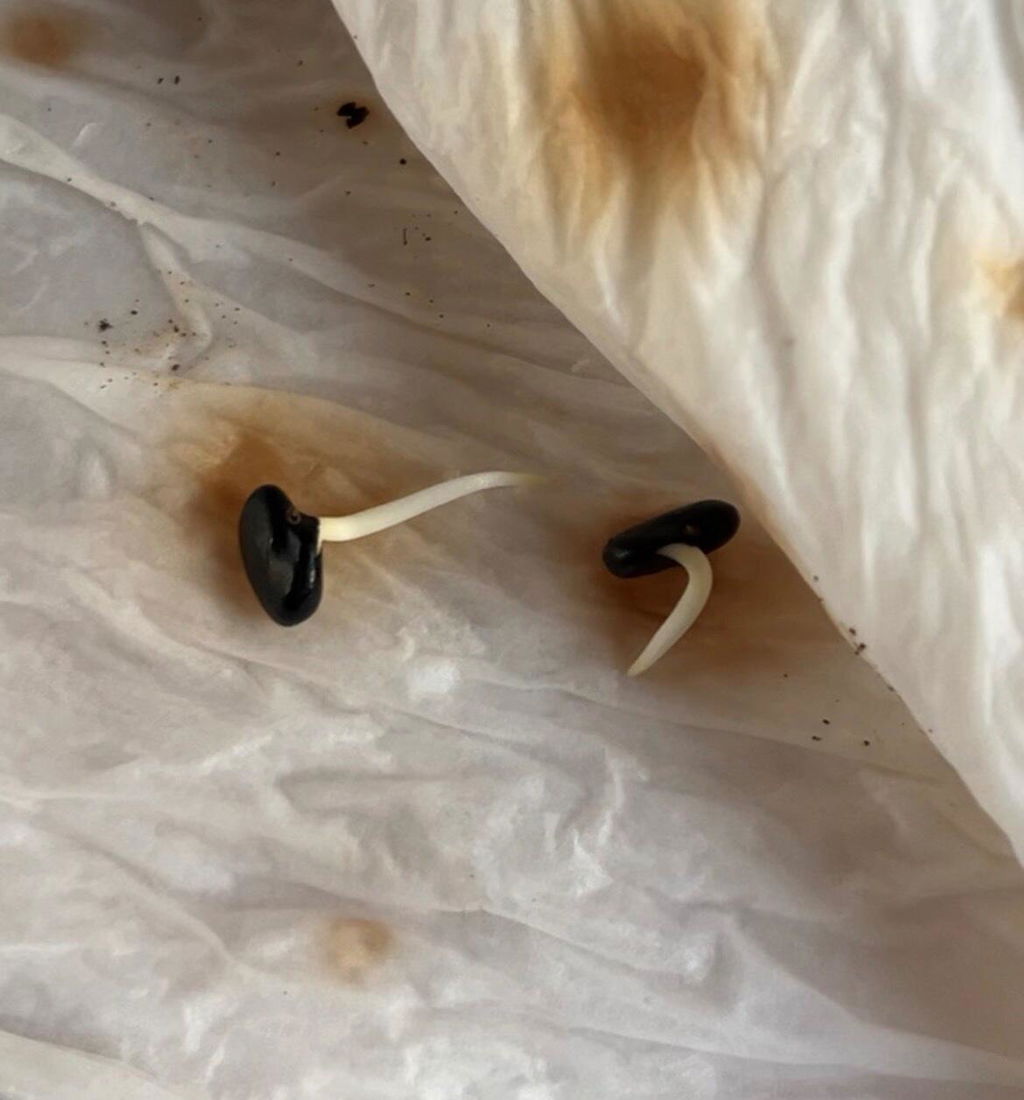
Germination Tested: Seeds with a high germination rate.
Best Conditions
-
Germination: Usually 7–14 days; some seeds may take up to 21 days
-
Germination temperature: Around 24–32°C
-
Sunlight: At least 6 hours of direct sunlight
-
Pot size: A 12–14-inch-wide pot, at least 10–12 inches deep, for one vine
-
Spacing: About 8–12 inches between plants
-
Vine length: Can reach around 10–15 feet with support
-
Support: A trellis, balcony grill, fence or garden arch
-
Soil: Light, moderately fertile and well-draining mix
Sowing note: In Lahore, Faisalabad, Islamabad and Rawalpindi, sow from March to April once cold weather has passed. In hotter areas such as Karachi and southern Punjab, sow from February to March. In colder northern and hilly areas, sow from April to May once the soil and nights are warm. Another sowing can be started during the early monsoon in the plains, provided seedlings are protected from heavy rain and the soil drains freely.
How to Sow
- Soak the seeds overnight, or lightly scuff the hard outer coat with sandpaper before sowing.
- Fill individual small pots with moist seed starter mix and make holes around ½ inch deep.
- Place one seed in each hole, cover lightly and water gently.
- Keep the mix lightly moist until seedlings develop 2–3 true leaves.
- Gradually introduce the seedlings to outdoor conditions over several days before transplanting.
- Transplant with the root balls intact and guide young stems onto the climbing support.
Seeds can also be sown directly beside their permanent support.
Plant Care
Water around the roots when the upper layer of soil begins drying. Keep the root area moderately moist without leaving water standing in the pot or saucer. Pinch young growing tips to encourage branching, then guide the new shoots across the support. Lightly trim stems that begin spreading into neighbouring plants.
Mix a small amount of Vermicompost into the final potting mix. Avoid frequent heavy feeding. Check tender shoots and leaf undersides for aphids, whiteflies and spider mites, and remove visible leaf-eating caterpillars. If needed, apply Neem Oil according to its label, avoiding open flowers. For plants supplying edible flowers, follow the product’s directions for edible plants and any harvest waiting period.
Local Gardener Tips
- Protect newly transplanted seedlings from harsh afternoon heat.
- Secure tall climbing frames firmly in balcony and rooftop pots.
- Keep seedling pots sheltered during heavy monsoon rain.
- Spread branches across the support so flowers remain easy to see and pick.
Harvesting and Flower Uses
Pick freshly opened flowers once the morning dew has dried. Rinse fresh flowers before use. For blue tea, steep the flowers in hot water until the colour develops, then strain. The coloured liquid can also be used in rice, drinks and desserts.
To save flowers for later, spread them in a single layer in a clean, shaded and well-ventilated place. Store them in an airtight container only after they are completely dry.
FAQs
Why does blue tea turn purple when I add lemon?
Butterfly Pea contains pigments called anthocyanins that respond to acidity. Lemon lowers the liquid’s pH, shifting the colour towards purple or pink.
Will Blue Butterfly Pea grow again next year?
It is a tropical perennial and may continue growing for several seasons in warm, frost-free locations. Winter cold can damage or kill the vine in colder areas, where gardeners often sow fresh seeds each spring.
Why are my seedlings collapsing at soil level?
A soft, darkened or narrowed stem near the soil surface may indicate damping-off. Remove affected seedlings. For another sowing, use clean containers and fresh seed starter mix, and do not reuse the affected mix.
Common names: Blue Butterfly Pea, Blue Aparajita, Neel Aparajita, Blue Pea, Asian Pigeonwings, Pigeon Wings, Clitoria ternatea, نیلی اپراجیتا