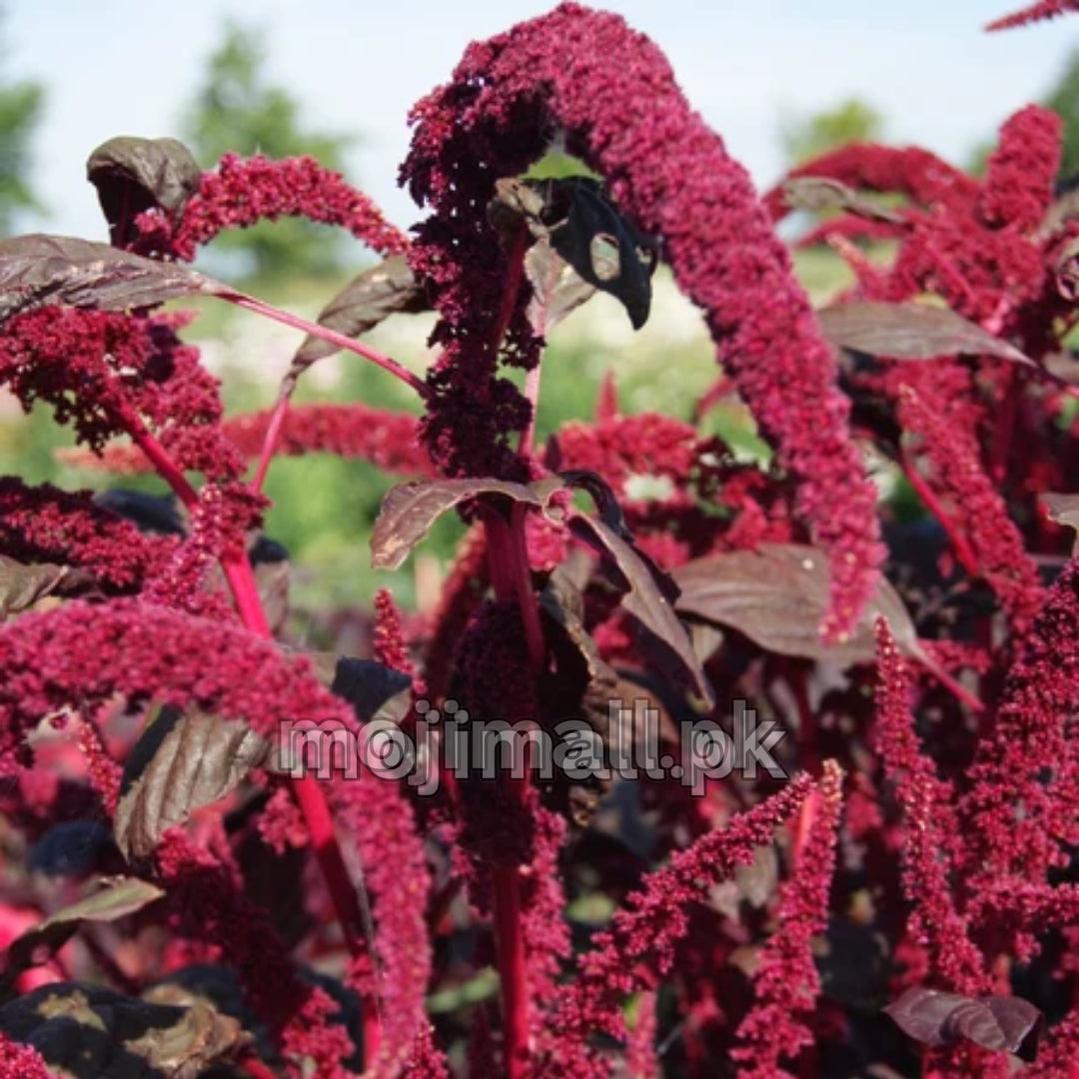
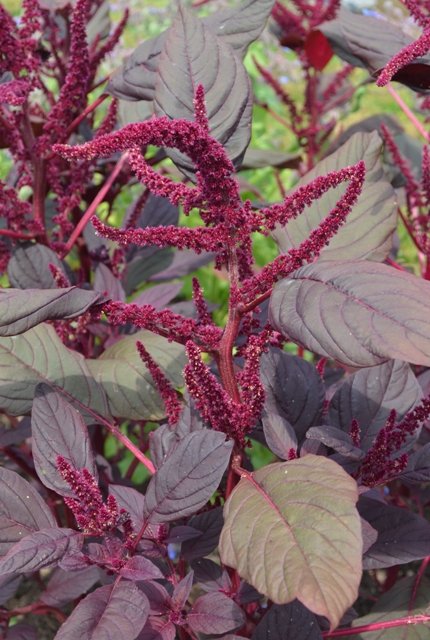
Amaranthus Tricolor produces deep red to burgundy leaves, reddish stems and crimson flower spikes. Its broad foliage brings strong colour to summer pots and garden borders, while the branching spikes add texture as the plants mature.
The rich colouring works especially well beside lighter green foliage or white flowers. Grow individual plants in roomy containers, or plant a group in a sunny garden bed for a fuller display.
Why Gardeners Love It
-
Colourful Foliage: Burgundy and reddish-green leaves provide interest before flowering.
-
Crimson Spikes: Branching flower spikes add colour and texture to mature plants.
-
Summer Interest: Grows well during warm weather.
-
Striking Contrast: Dark foliage stands out beside lighter leaves and flowers.
-
Container Friendly: Suitable for sunny balconies, patios and rooftop gardens.
Best Conditions
-
Germination: Usually 10–20 days
-
Germination temperature: Around 20–25°C
-
Seed tray light: Bright, indirect light
-
Sunlight: At least 6 hours, with afternoon shade during extreme heat
-
Pot size: A 12–14-inch pot for one mature plant
-
Spacing: About 18–24 inches between plants
-
Soil: Moist, moderately fertile and well-draining mix
Sowing note: In Lahore, Faisalabad, Islamabad and Rawalpindi, sow from March to April once the weather is consistently warm. A second sowing can be made from June to July in a protected location. In Karachi and southern Punjab, sow from February to April, protecting seedlings from intense afternoon heat. In colder northern and hilly areas, sow from April to May after frost has passed and the soil has warmed.
How to Sow
- Fill a seed tray or small pots with fine, moist seed starter mix and gently level the surface.
- Scatter the tiny seeds thinly, press them lightly and cover with only a fine dusting of the mix.
- Mist gently to settle the seeds without washing them into clumps or soaking the mix.
- Cover loosely with a clear lid, opening it daily to check moisture and allow fresh air inside.
- Remove the cover when seedlings appear, then thin crowded seedlings so each has room to develop.
- Once seedlings have 3–4 true leaves, gradually introduce outdoor conditions and transplant with their root balls intact.
Plant Care
Keep the soil evenly moist while young plants establish. Afterwards, water when the upper layer begins drying, allowing excess water to drain freely. Avoid leaving pots in standing water. Support taller stems with a cane if wind causes them to lean.
Mix a small amount of Vermicompost into the final potting mix before planting. Avoid frequent heavy feeding, which can weaken foliage colour. Check new growth and leaf undersides for aphids. If needed, apply Neem Oil according to its label, testing a small area first and spraying away from strong sunlight.
Local Gardener Tips
- Protect the tiny seedlings from heavy rain and strong watering.
- Introduce young plants to direct sunlight gradually.
- Check container moisture daily during hot, dry weather.
- Keep drainage holes clear during monsoon rain.
- Leave space around mature plants so neighbouring flowers receive enough light.
Foliage and Flowering
The leaves provide the first display, with shades ranging from reddish-green to deep burgundy. Crimson flower spikes become more noticeable as the plants mature, developing among and above the foliage.
Allow the flowering stems to develop if you want the fullest ornamental display. Remove ageing spikes before seeds begin falling if you do not want extra seedlings appearing in nearby pots or beds.
FAQs
Can I sow the seeds directly in their final pot?
Yes. Sow thinly into the prepared pot and cover very lightly. Once the seedlings are established, retain the strongest plant and remove the extras. Direct sowing avoids disturbing the roots during transplanting.
Will Amaranthus Tricolor return every year?
It is grown as an annual and completes its life cycle within one growing season. New plants may appear from fallen seeds, but these are separate seedlings rather than the original plant growing back.
Can I save seeds for the next season?
Yes. Let a few flower spikes mature until dry seeds release easily when gently shaken over paper. Separate the seeds from loose plant material, dry them thoroughly and store in a labelled container in a cool, dry place. Plants grown near other amaranths may cross-pollinate, so saved seedlings can vary.
Common names: Amaranthus Tricolor, Red Amaranth, Red Callaloo, Leaf Amaranth