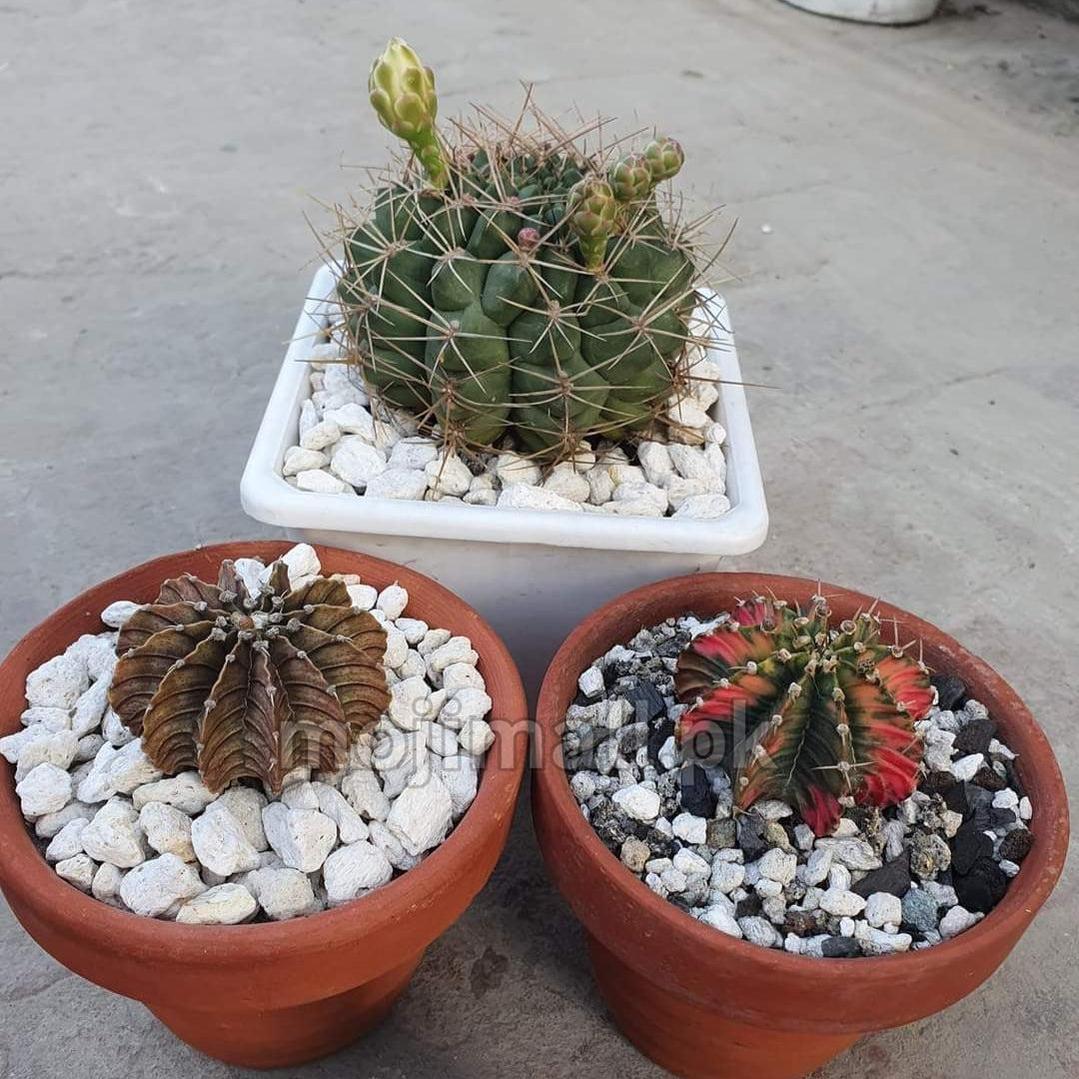
Pumice Stone 16–22mm is a washed volcanic stone used as decorative top dressing for large pots, planters and garden displays. Its chunky size creates a clean, natural-looking surface while covering exposed potting medium.
Pumice is porous and lighter than ordinary gravel, making it easier to use in balcony, rooftop and patio containers. The natural grey pieces become darker when wet and return to a lighter shade as they dry.
Why Use It
- Gives large pots a clean, finished appearance
- Covers exposed soil and potting medium
- Helps prevent loose material from splashing during watering
- Suitable for indoor and outdoor planters
- Lighter than many decorative pebbles
- Washed and ready for surface application
- Can be cleaned and reused
- Natural volcanic stone without artificial colouring
Product Details
| Detail |
Information |
| Material |
Natural volcanic pumice |
| Size |
Approximately 16–22mm |
| Preparation |
Washed |
| Colour |
Natural grey |
| Main use |
Decorative top dressing |
| Best suited to |
Large pots, planters and garden displays |
| Placement |
Over the surface of the growing medium |
Natural stones can vary slightly in colour, shape and size.
Best Uses
The large 16–22mm pieces work well in:
- Large indoor floor planters
- Outdoor pots and tubs
- Balcony and rooftop planters
- Patio and entrance displays
- Raised planters
- Decorative garden beds
- Plant arrangements with a wide exposed surface
The chunky stones are most noticeable in large containers. For smaller pots and detailed arrangements, Pumice Stone 8–12mm provides finer and more even coverage.
How to Use
- Complete the planting and water once to settle the potting medium.
- Level the exposed surface and remove fallen leaves or other debris.
- Spread the pumice evenly over the surface.
- Leave a small open space around stems, trunks and new shoots.
- Water slowly so the lightweight stones remain in place.
A single layer is normally enough to cover the surface. Avoid piling the stones against the base of the plant.
Fine dust can develop during packing and transport. Rinse the pumice with clean water before use if required.
Choose a Size
| Size |
Best use |
| 2–6mm |
Mixing through suitable mineral and potting-medium recipes |
| 8–12mm |
Top dressing for small and medium pots |
| 16–22mm |
Bold top dressing for large pots and planters |
Use the 2–6mm grade when pumice needs to be mixed through the root area. The 16–22mm grade is intended mainly for covering the surface.
Watering
Move one or two stones aside to check the moisture underneath before watering. The pumice surface may look dry while the potting medium is still moist.
Apply water slowly and make sure the container has open drainage holes. A strong stream can move the lightweight pieces or wash them over the edge of the pot.
Local Care
In Karachi and other humid areas, check below the stones before watering because the covered potting medium may remain moist longer than expected.
During monsoon weather in Lahore, Islamabad and Rawalpindi, protect outdoor containers from prolonged rain and keep their drainage holes clear.
On hot rooftops in Lahore, Faisalabad and southern Punjab, regularly check the moisture below the pumice. Large containers can heat up and dry at different rates depending on their material and position.
Cleaning
Remove the pumice and rinse it with clean water when soil, algae or fertilizer residue begins collecting on the surface. Allow the pieces to dry before returning them to the pot.
Avoid transferring uncleaned stones from an unhealthy plant to another container.
FAQs
Will top dressing with pumice improve pot drainage?
Surface dressing does not change the drainage of the complete root area. Good drainage still depends on the potting medium, container depth and open drainage holes.
Why do some pieces move or float during watering?
Pumice contains many air spaces and is lighter than dense gravel. Water slowly near the surface. Pieces that initially float usually become more stable after their pores fill with water.
Can fertilizer be applied through the pumice layer?
Diluted liquid fertilizer can be applied slowly through the surface layer. When using granular fertilizer, move a few stones aside, apply it according to its directions and then replace the stones.
Why has the colour of the pumice changed?
Natural pumice looks darker when wet. Hard water and fertilizer may also leave pale deposits over time. Rinse the pieces with clean water when residue becomes visible.